ICCMM 2026 | University of Colombo

'

Inauguration Highlights

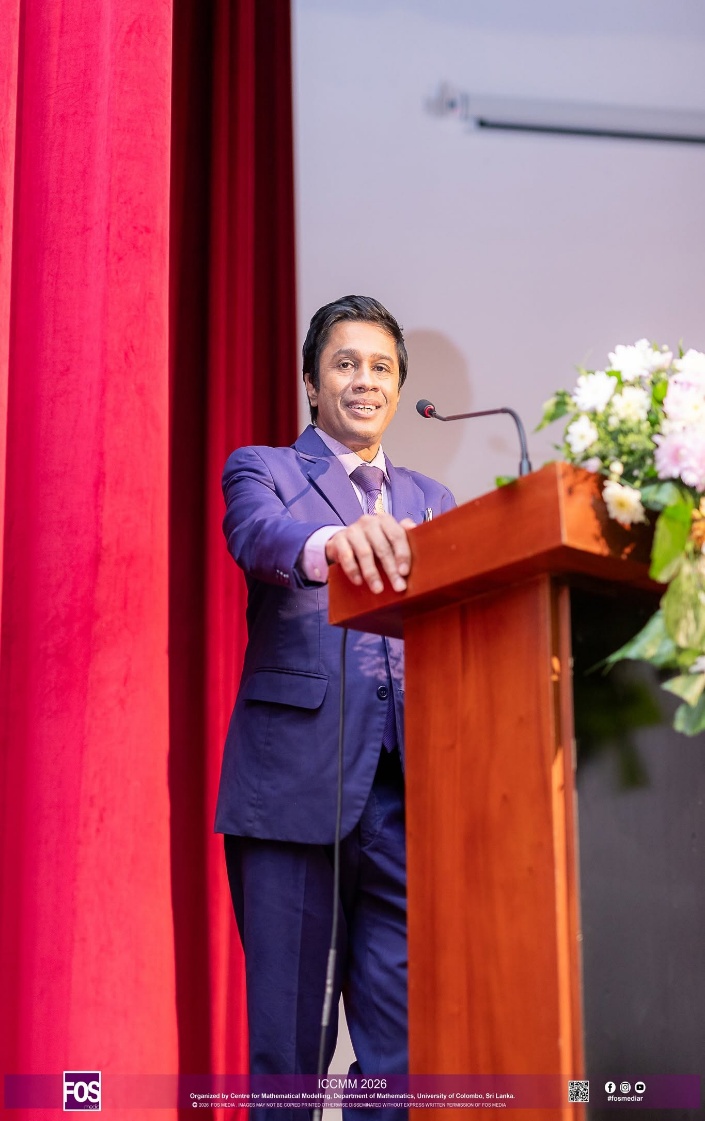
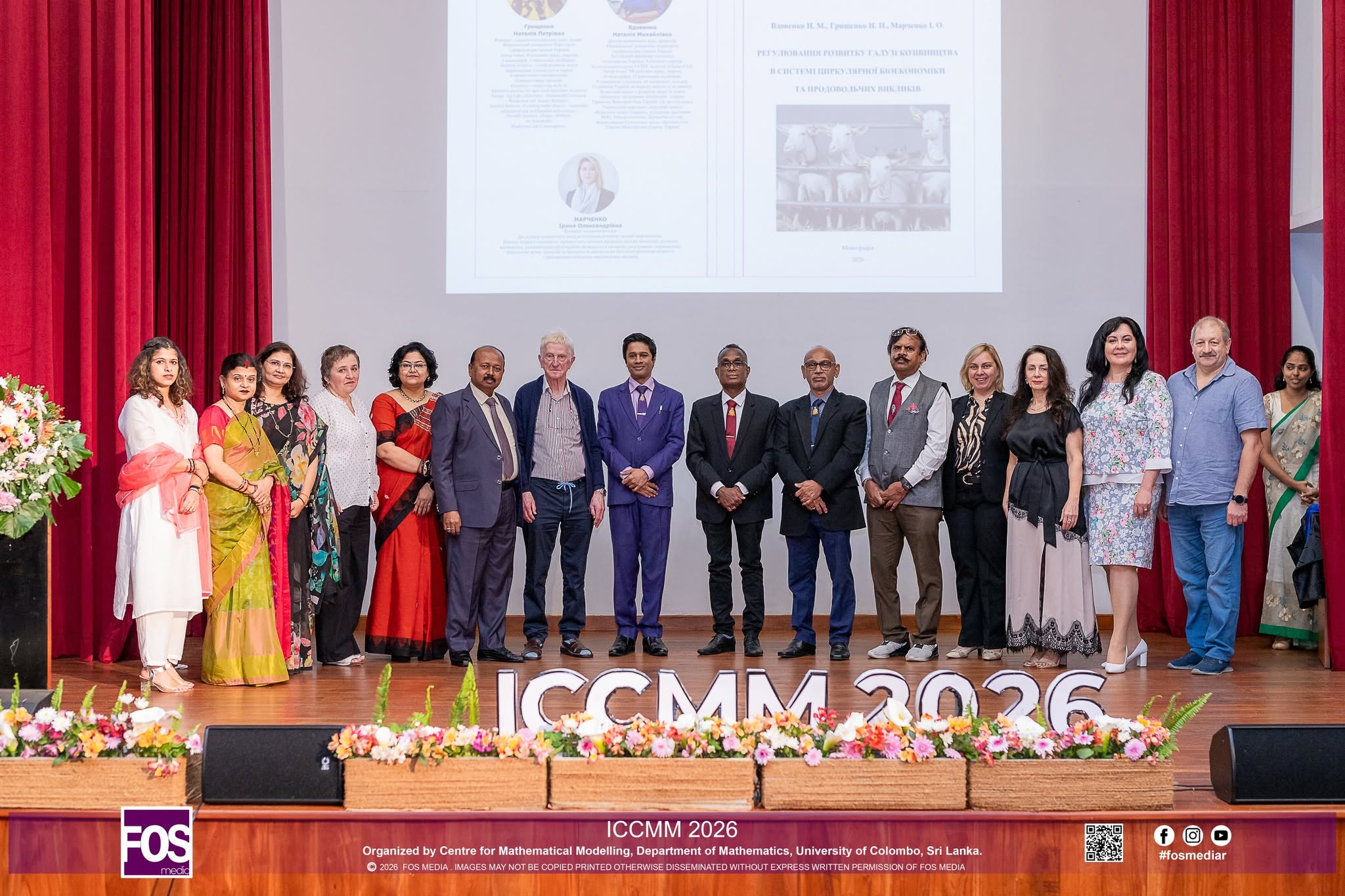
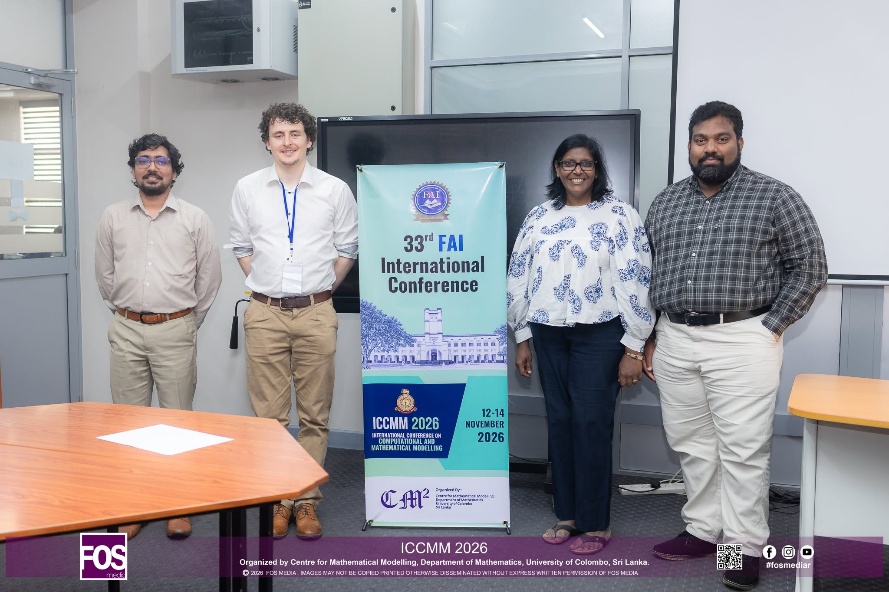
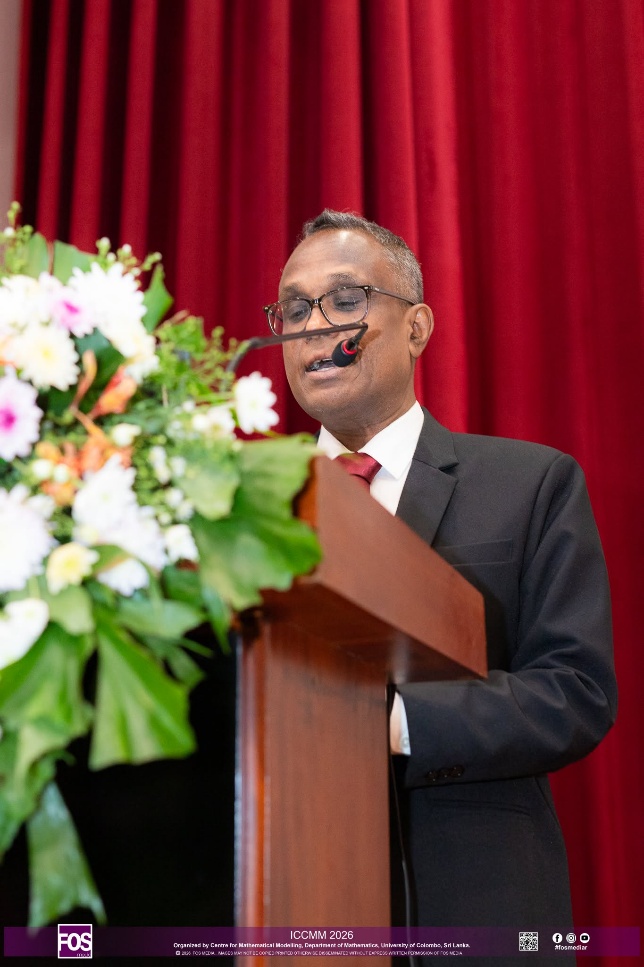
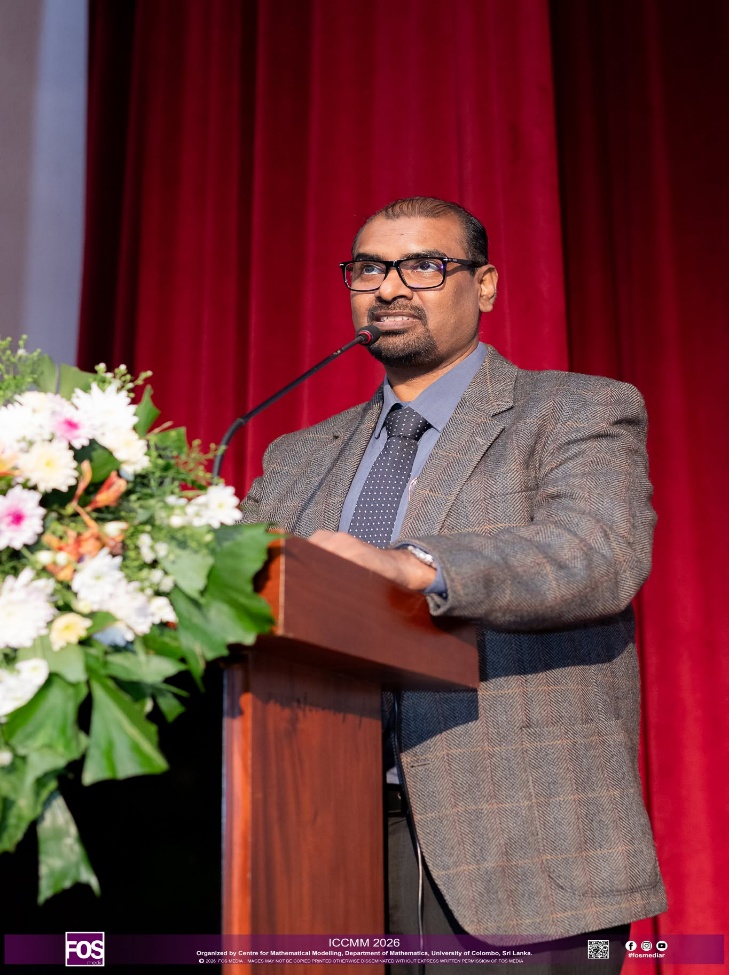
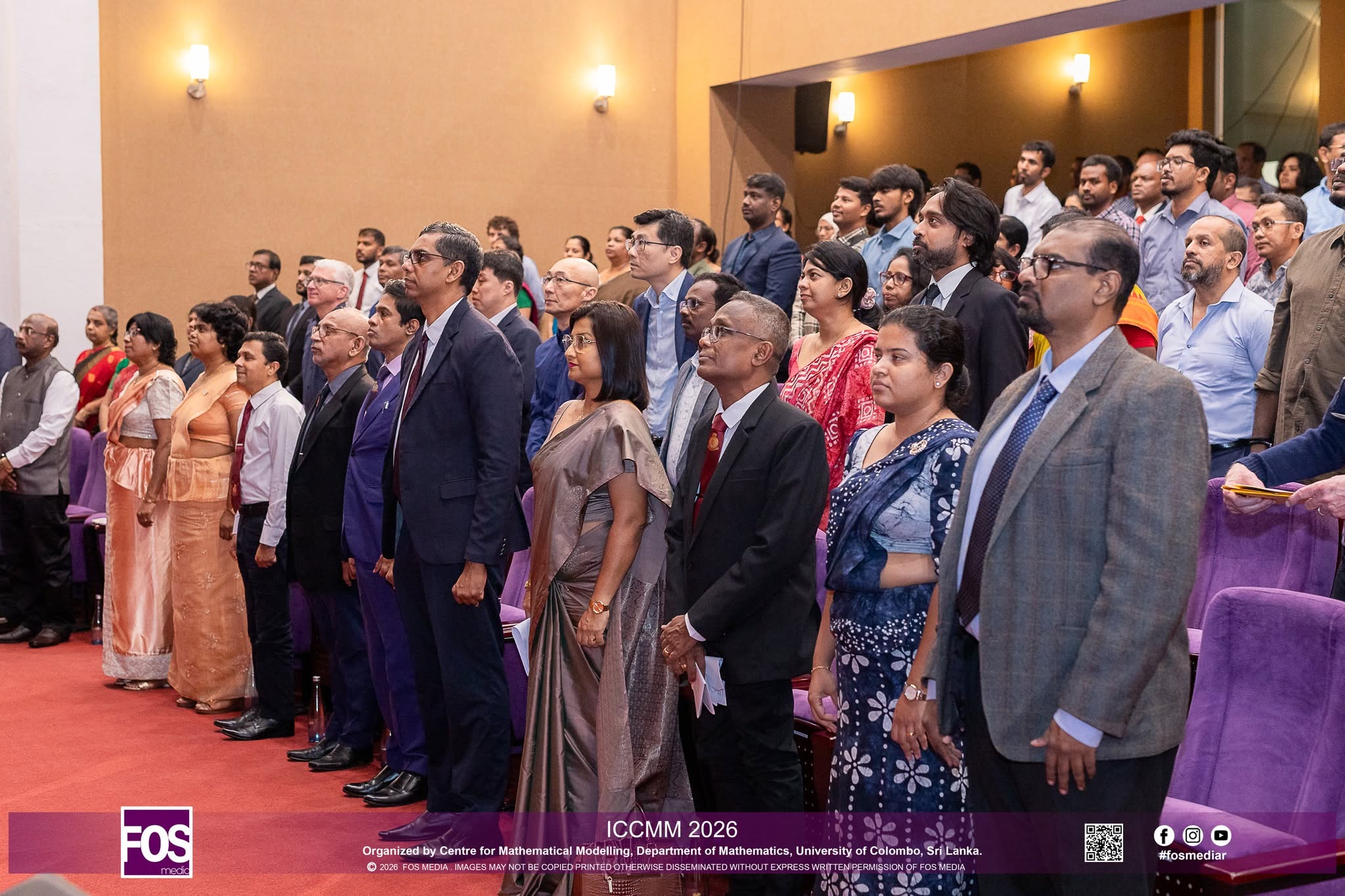
The Inauguration Ceremony of the International Conference on Computational and Mathematical Modelling 2026 (ICCMM 2026) was held on November 12, 2026, at The Science Auditorium, ITSC, Faculty of Science, University of Colombo. Organized by the Centre for Mathematical Modelling (CMM), Department of Mathematics, University of Colombo, in collaboration with the 33rd FAI International Conference (Forum for Advanced Training Education and Research Academy of India), the three-day hybrid conference (12–14 November 2026) was convened under the theme "Computational Mathematical Modelling in the AI Era for Sustainable Interdisciplinary Innovation".

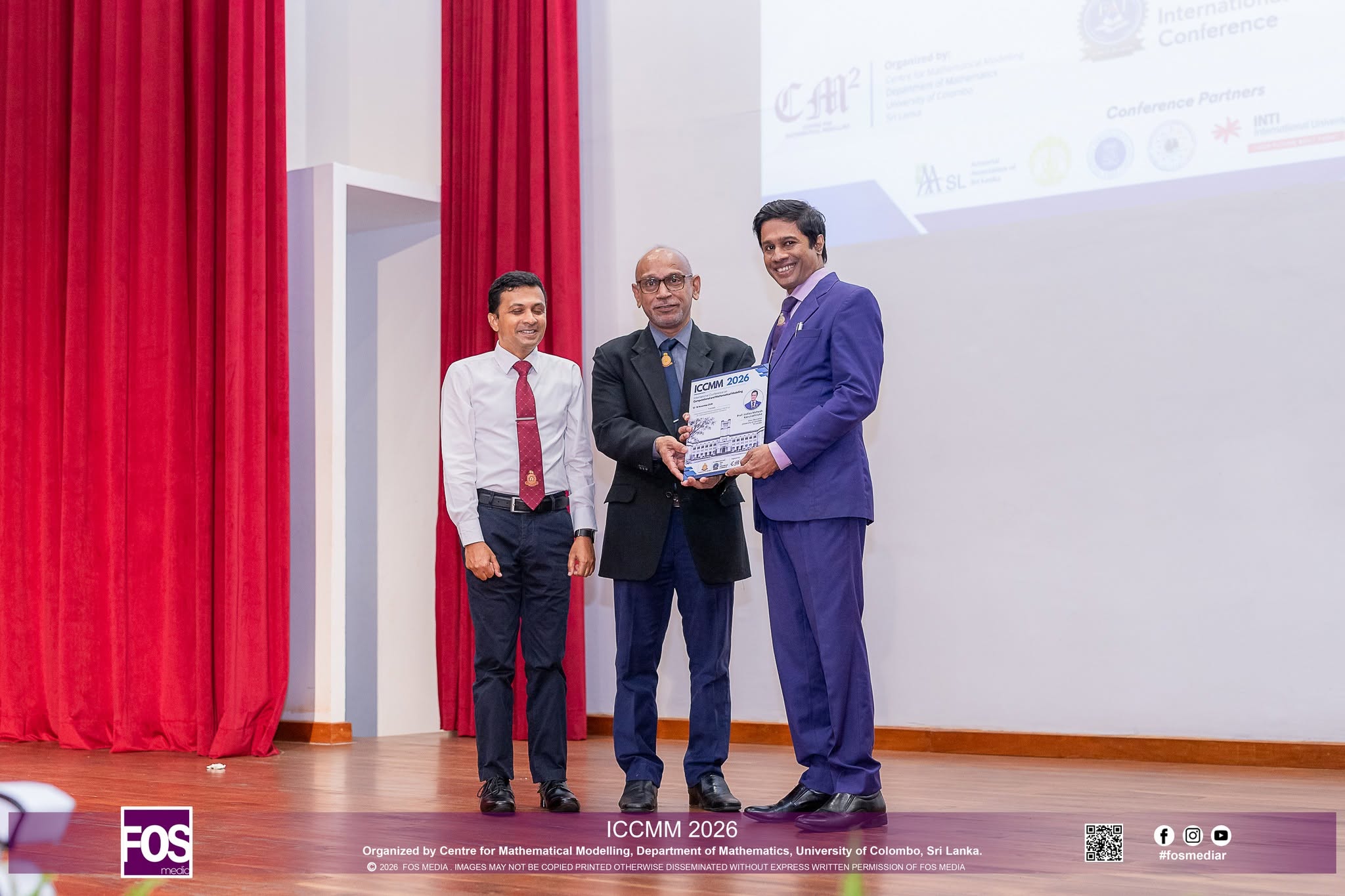
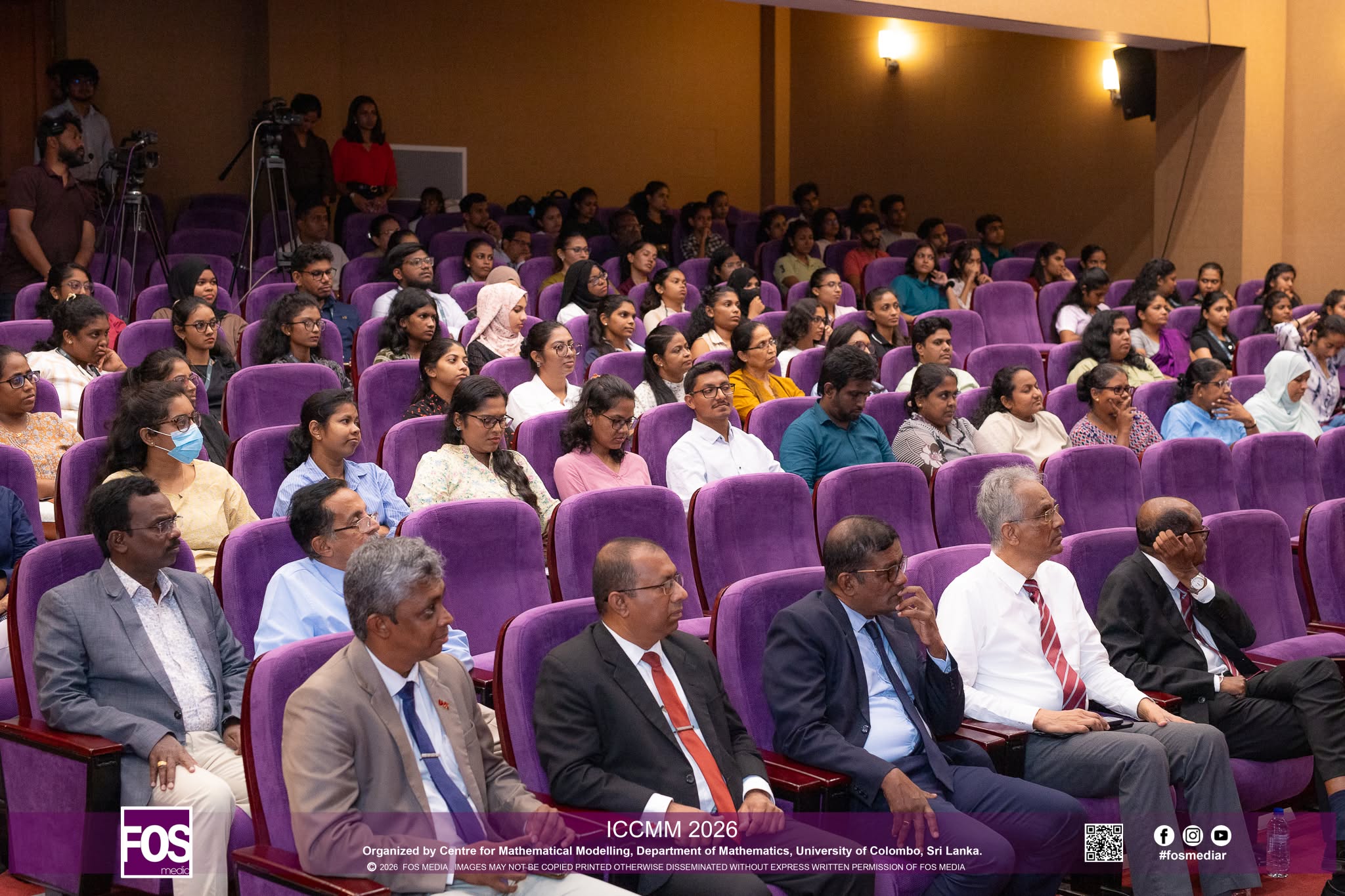
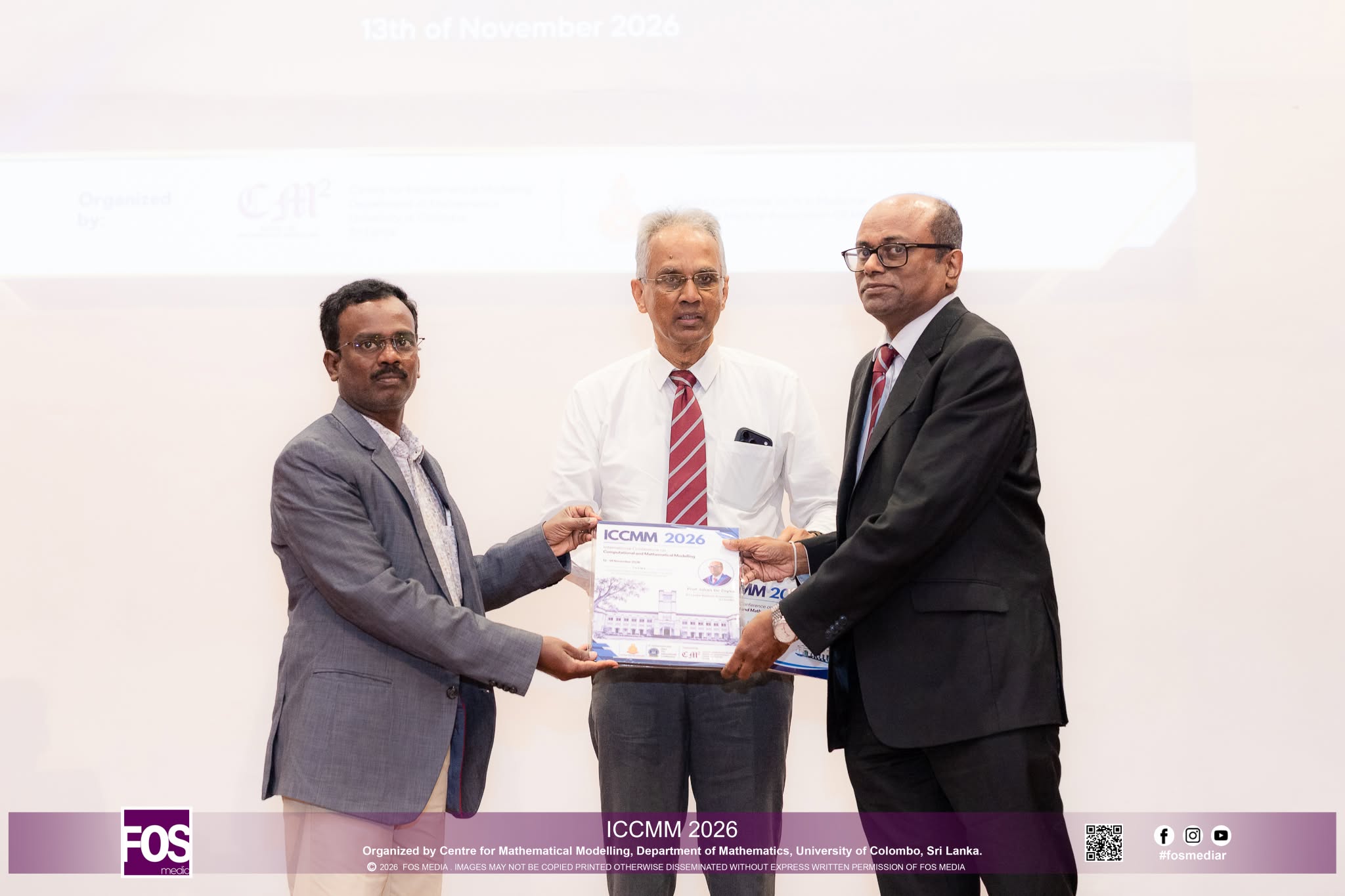
The ceremony was graced by Professor Indika Mahesh Karunathilake, Vice-Chancellor of the University of Colombo, as Chief Guest, alongside Professor I. M. K. Fernando, Dean of the Faculty of Science; Professor Chamini K. Hemachandra, Chairperson of UCIC 2026; Dr. D. B. Dharmasena, Head of the Department of Mathematics; and Professor Sanjeewa Perera, Conference Chair of ICCMM 2026 and Director of the Centre for Mathematical Modelling. The event was well attended by a large gathering of academics and researchers from the University of Colombo and other universities, foreign delegates from 18 countries, and industry representatives.

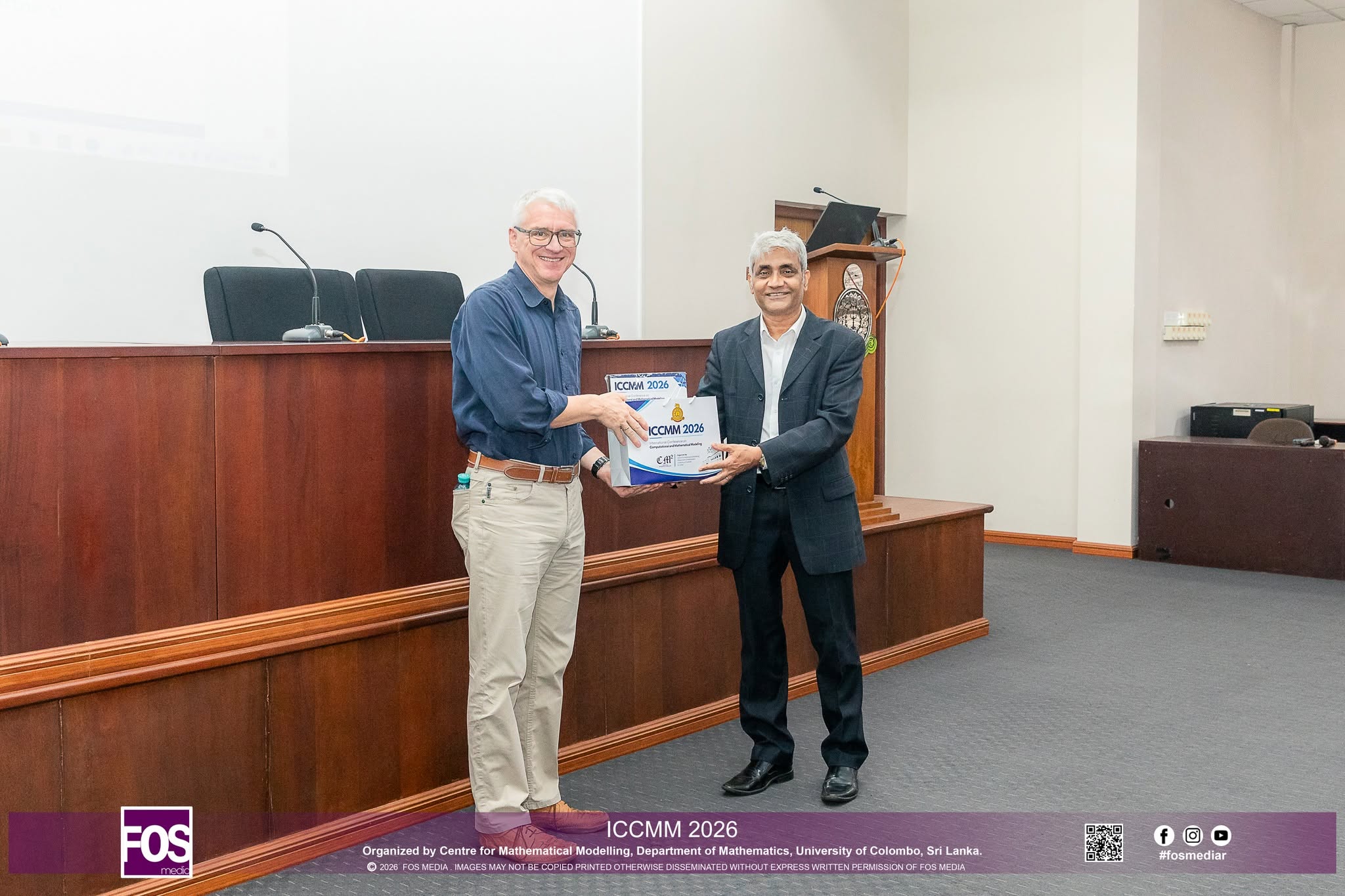
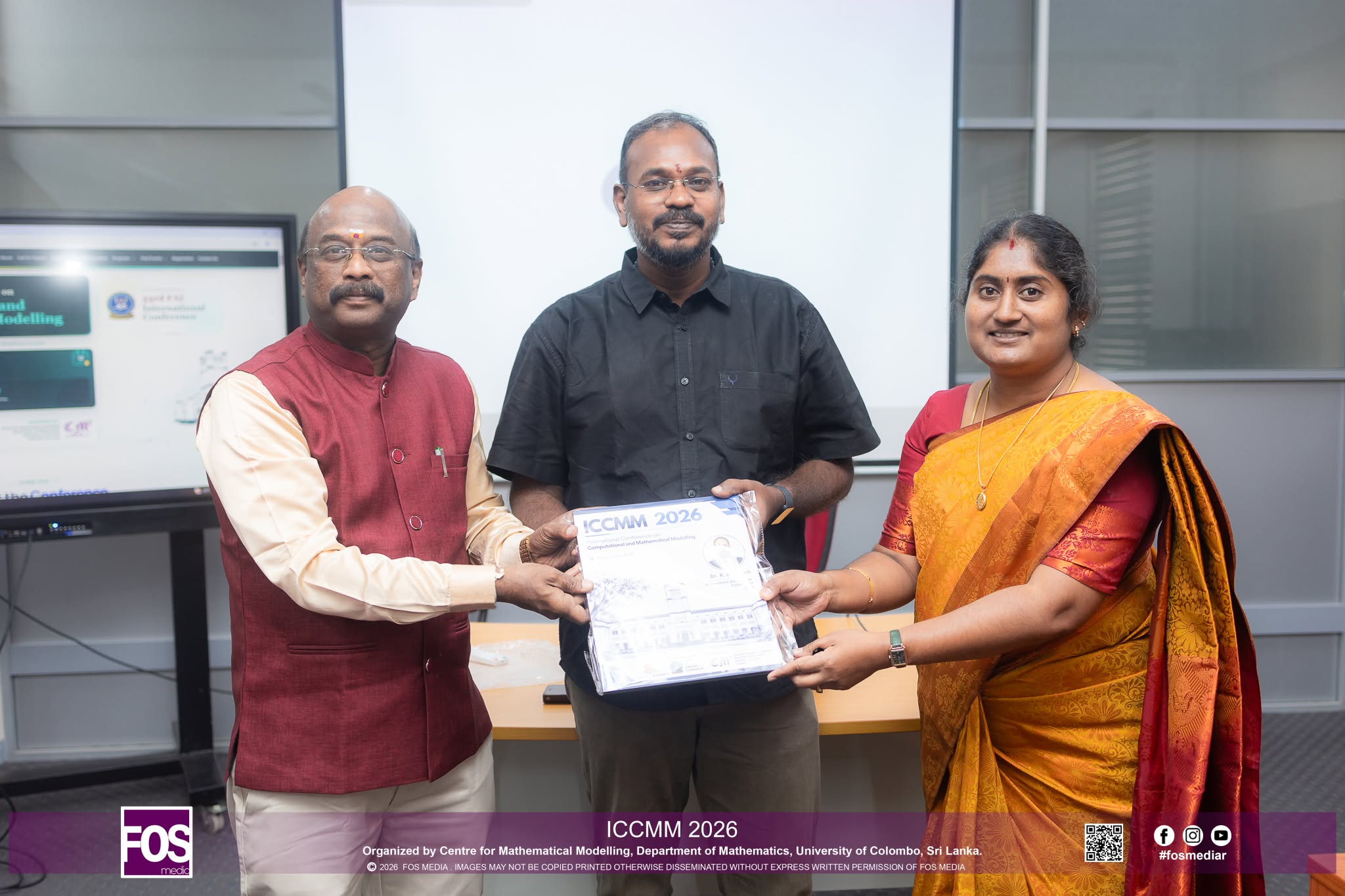
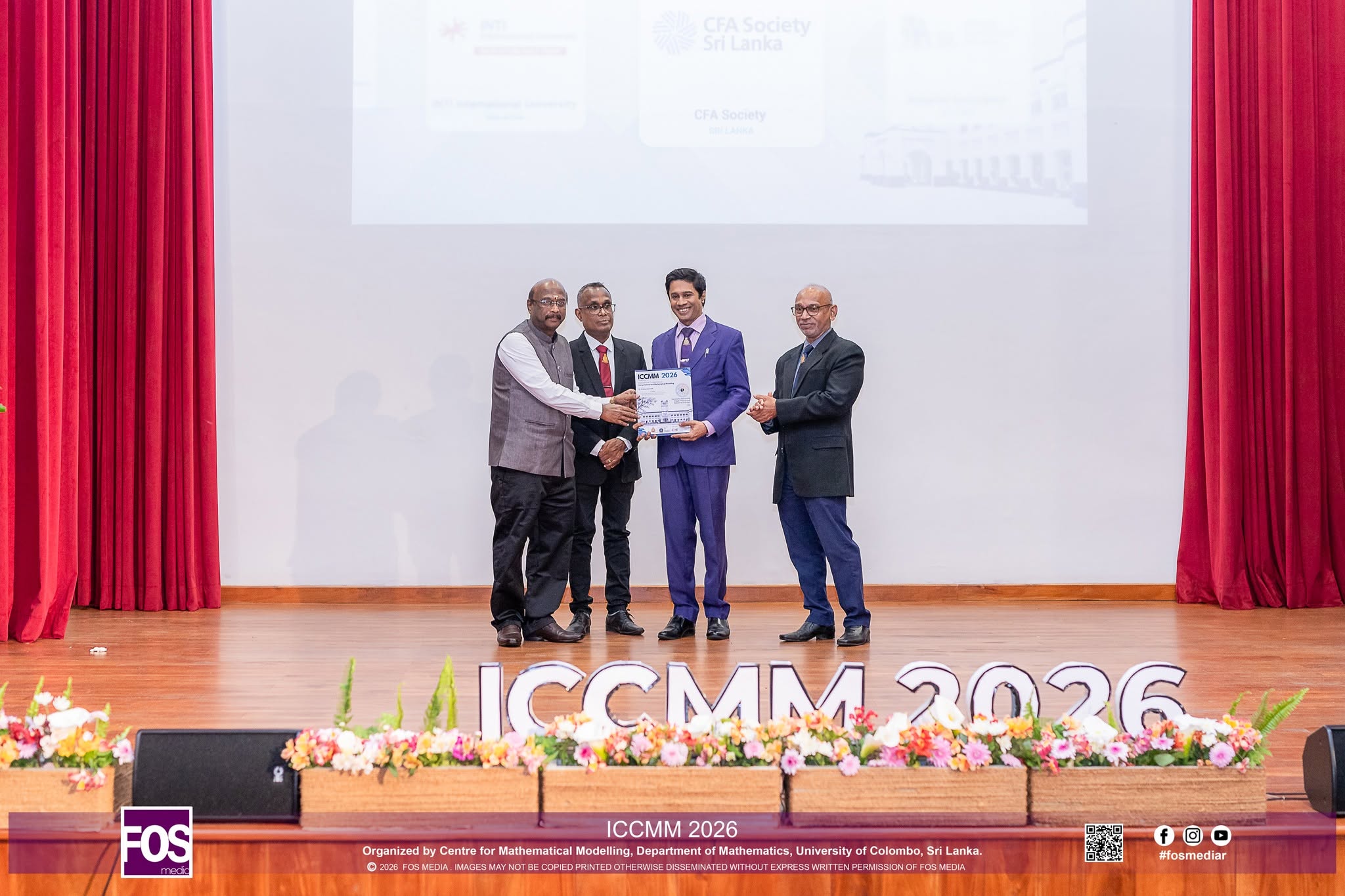
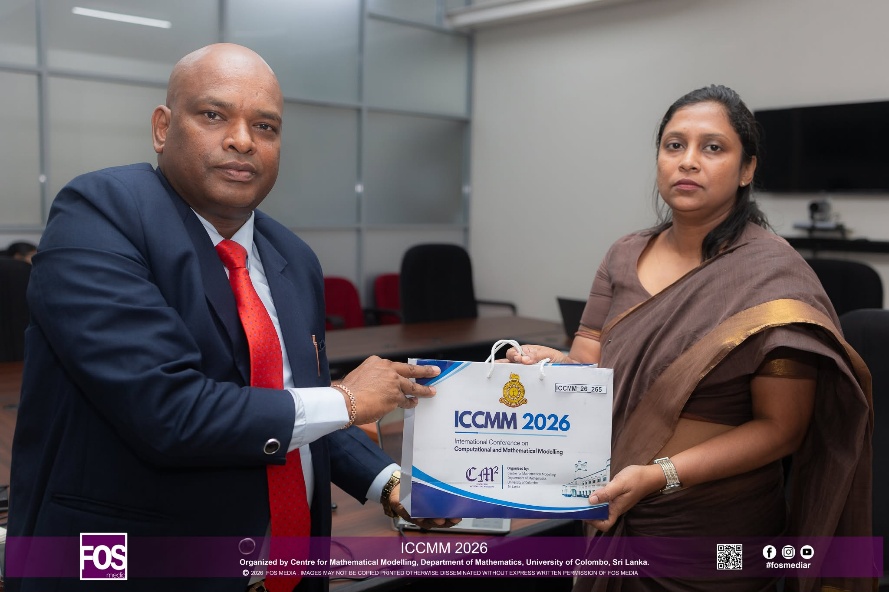
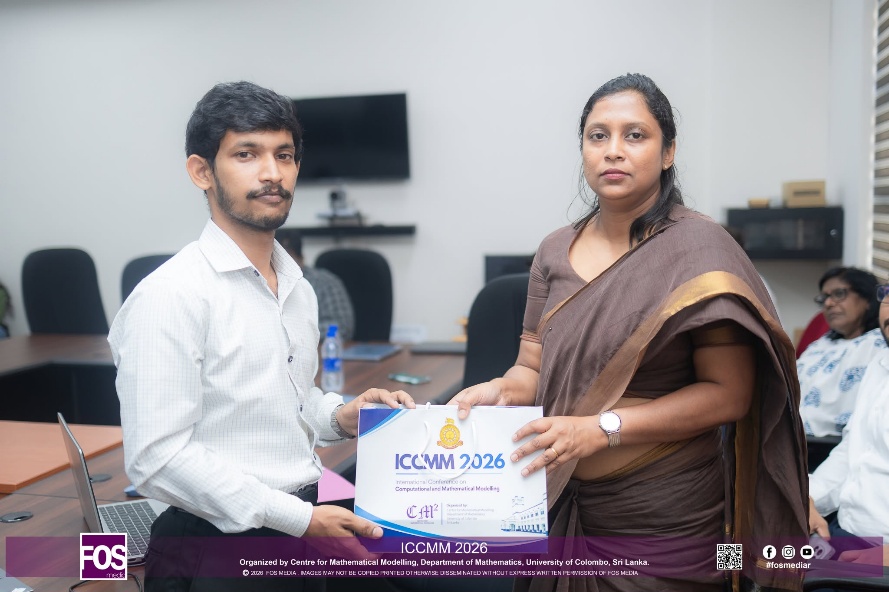
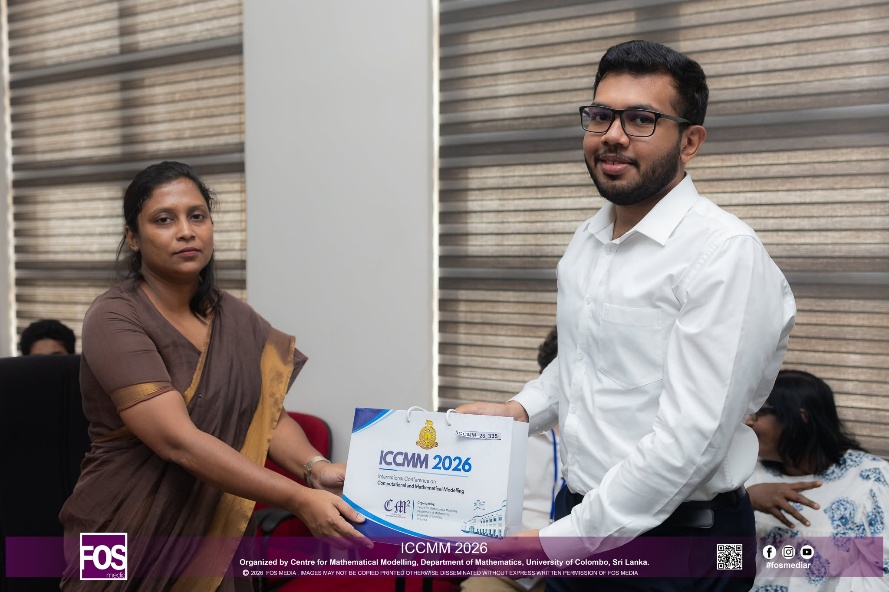
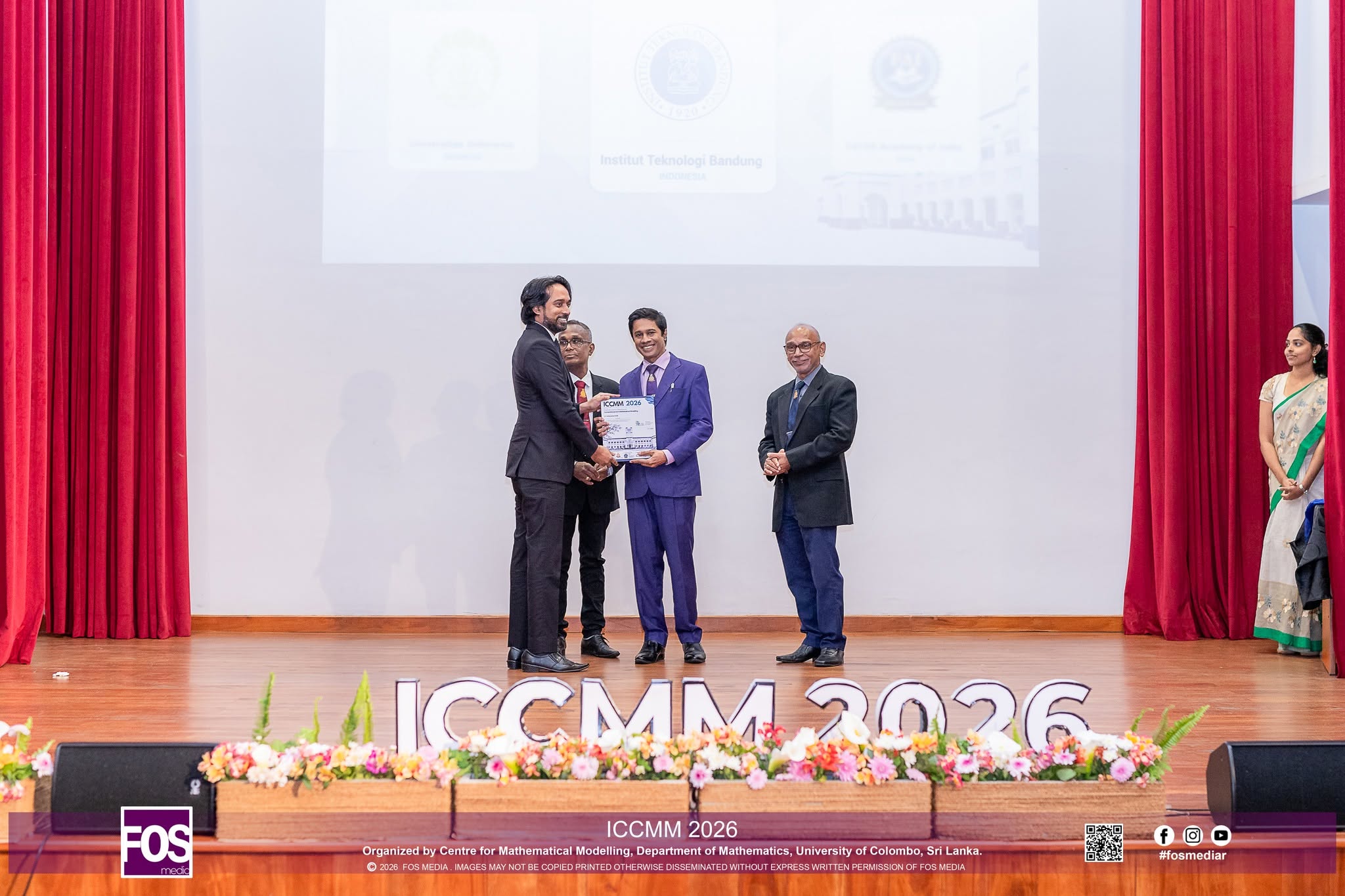
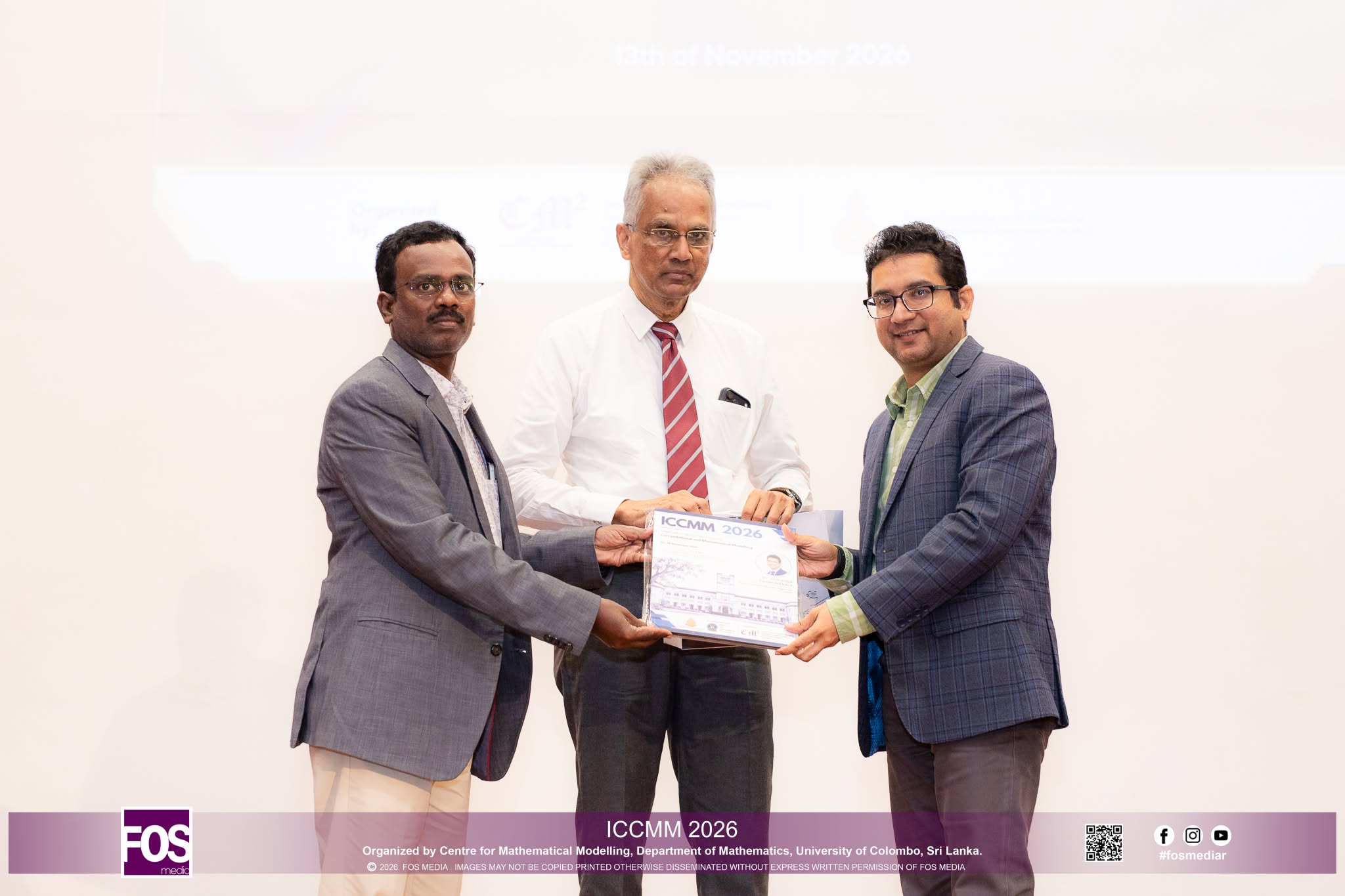
Key academic, research and industry partners, including Universitas Indonesia, Institut Teknologi Bandung, the FATER Academy of India, the Centre for Advanced Graph Theory and Network Sciences (India), INTI International University, Malaysia, CFA Society Sri Lanka, and the Actuarial Association of Sri Lanka were felicitated at the ceremony.

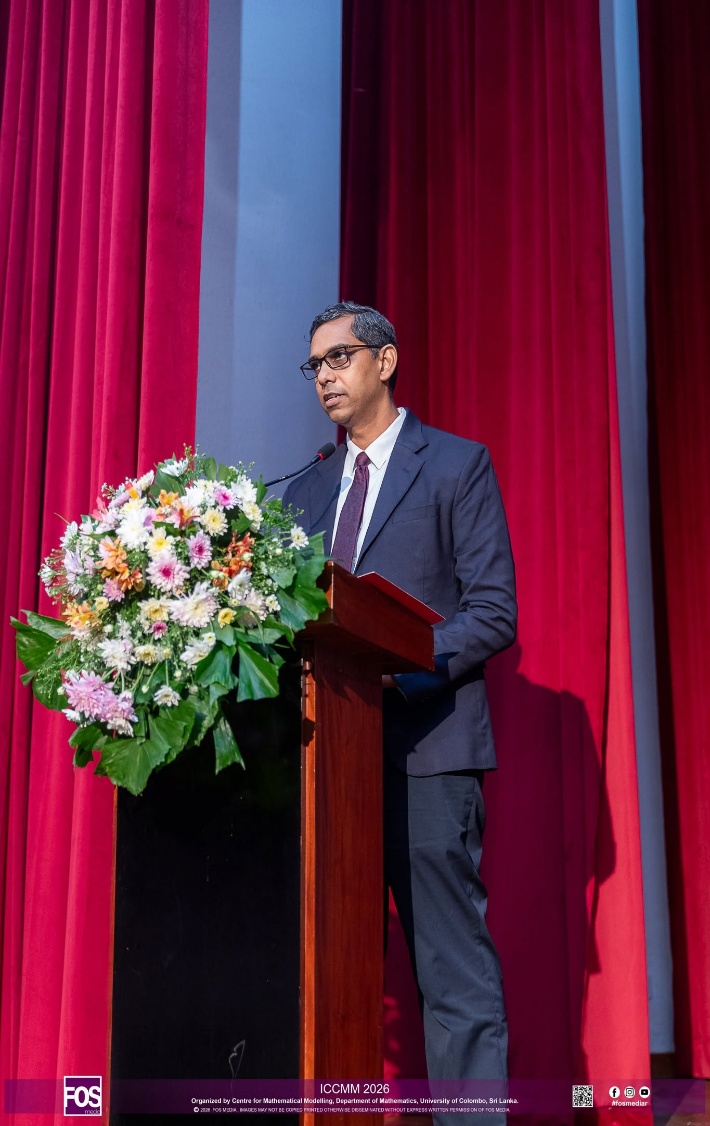
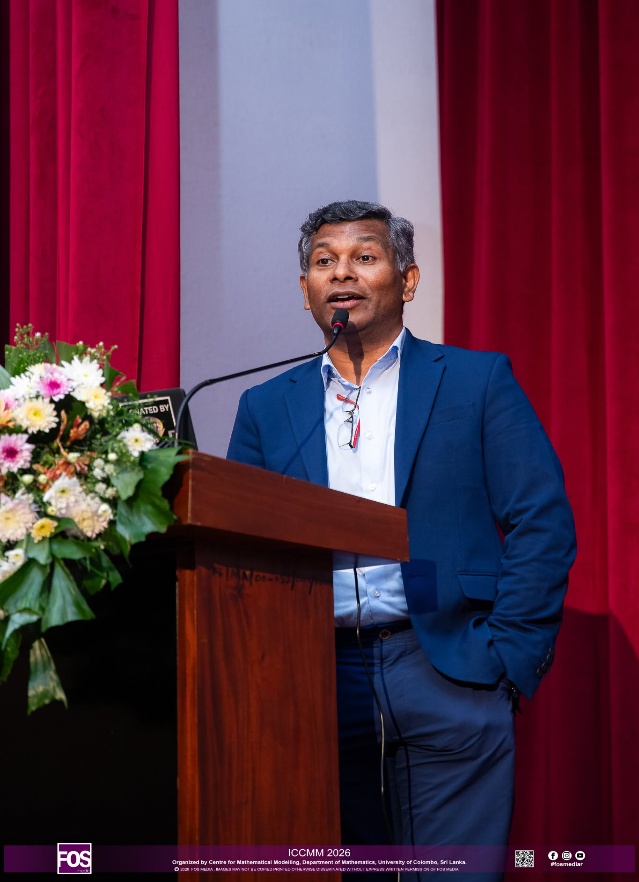
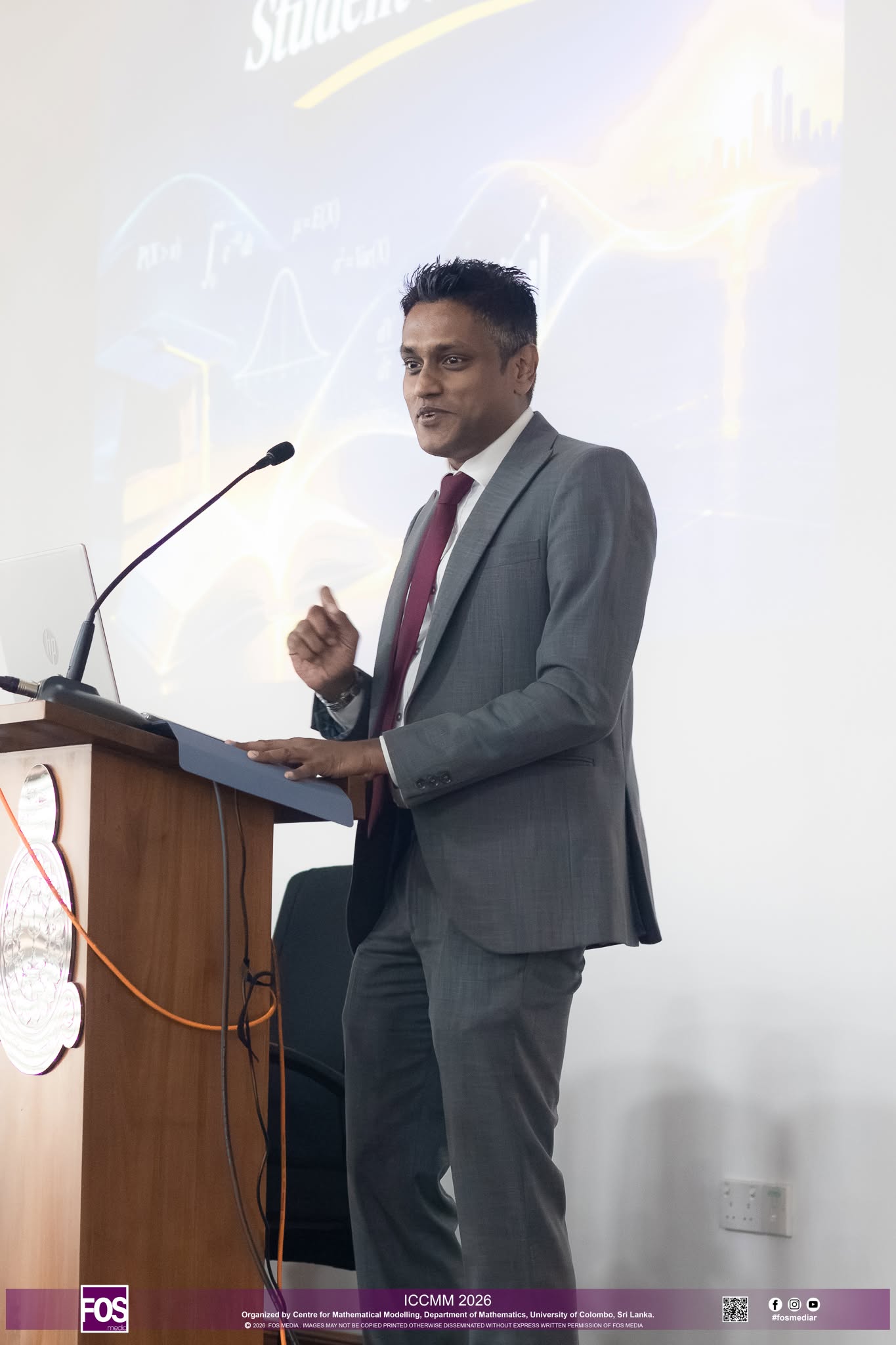
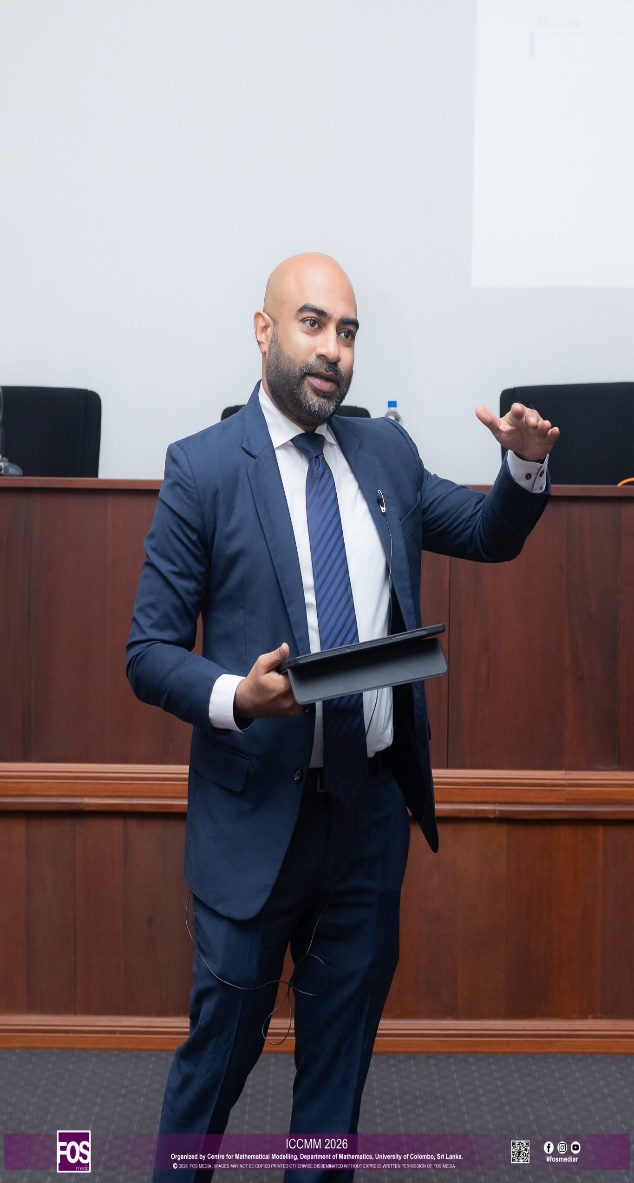
The Inaugural Keynote Address, titled "Models That Matter: Computational and Mathematical Modelling for Effective Policymaking in the AI Era," was delivered by Dr. Lasitha R. C. Pathberiya, Director of the Economic Research Department at the Central Bank of Sri Lanka.

ICCMM 2026 brought together more than 40 invited speakers from 18 countries, including Germany, Italy, Romania, the USA, Switzerland, Slovenia, Poland, Turkey, Ukraine, Thailand, Malaysia, Indonesia, France, Japan, Australia, India, China, and Sri Lanka. It also featured over 250 contributed papers, with 35% contributed by international authors.

Through symposiums, mini-symposiums, special sessions & workshops and international collaborations, ICCMM 2026 continues to foster global research exchange and position the Centre for Mathematical Modeling, Department of Mathematics, University of Colombo, at the forefront of computational and mathematical innovation.
Symposium on Advanced Applications of AI and Machine Learning Paradigms

The Symposium on Advanced Applications of AI and Machine Learning Paradigms, organised as a flagship track of the International Conference on Computational and Mathematical Modelling 2026 (ICCMM 2026), was successfully held on 12 November 2026 at The Science Auditorium, ITSC, University of Colombo. Hosted by the Centre for Mathematical Modelling of the Department of Mathematics, the symposium convened under the theme “AI Meets Modelling: From Data to Decisions in Finance, Commerce, Insurance, and Medicine”.

Designed to bridge theoretical artificial intelligence research with practical and ethical real-world deployment, the event brought together academics, data scientists, researchers, and industry practitioners to examine emerging computational intelligence frameworks across three core pillars: General AI, Finance and Insurance, and Healthcare.

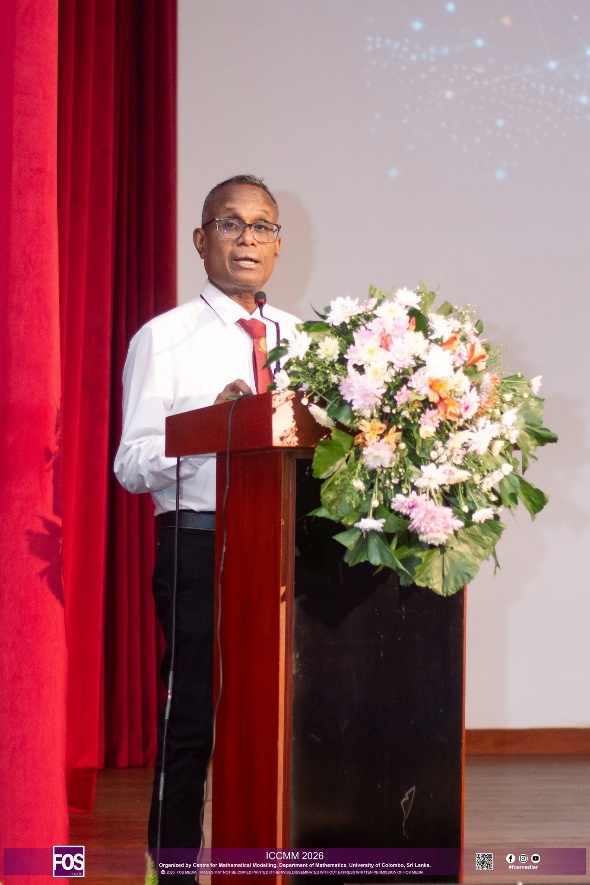
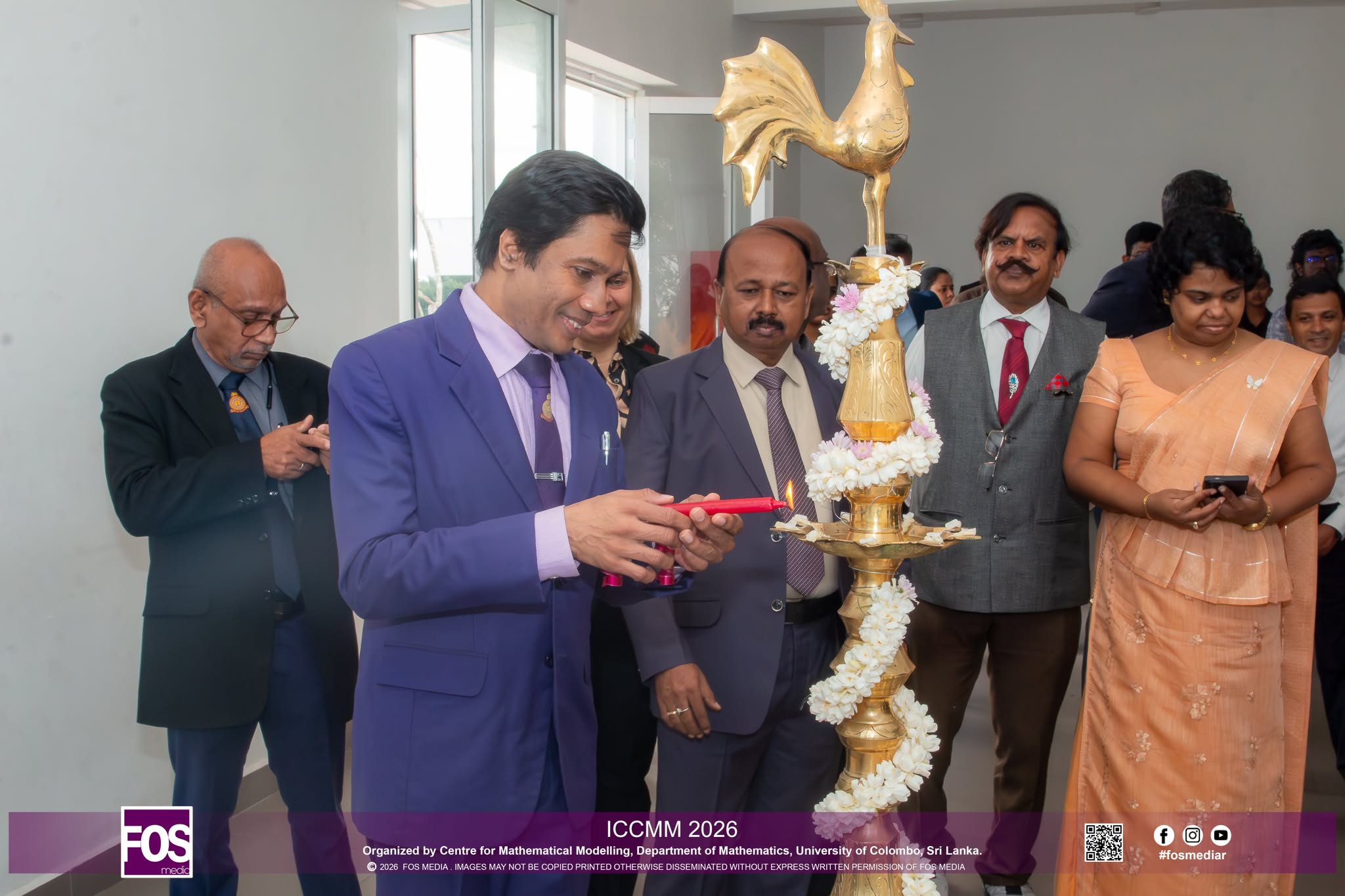
Following the traditional lighting of the oil lamp, Professor S. S. N. Perera, Conference Chair of ICCMM 2026 and Director, Centre for Mathematical Modelling, delivered the Welcome Address. The symposium was graced by Mr. G. C. A. Ariyadasa, Director of the Centre for Banking Studies at the Central Bank of Sri Lanka (CBSL), as Chief Guest, who shared insights on the growing strategic relevance of data-driven modelling and artificial intelligence within the financial and banking sectors.

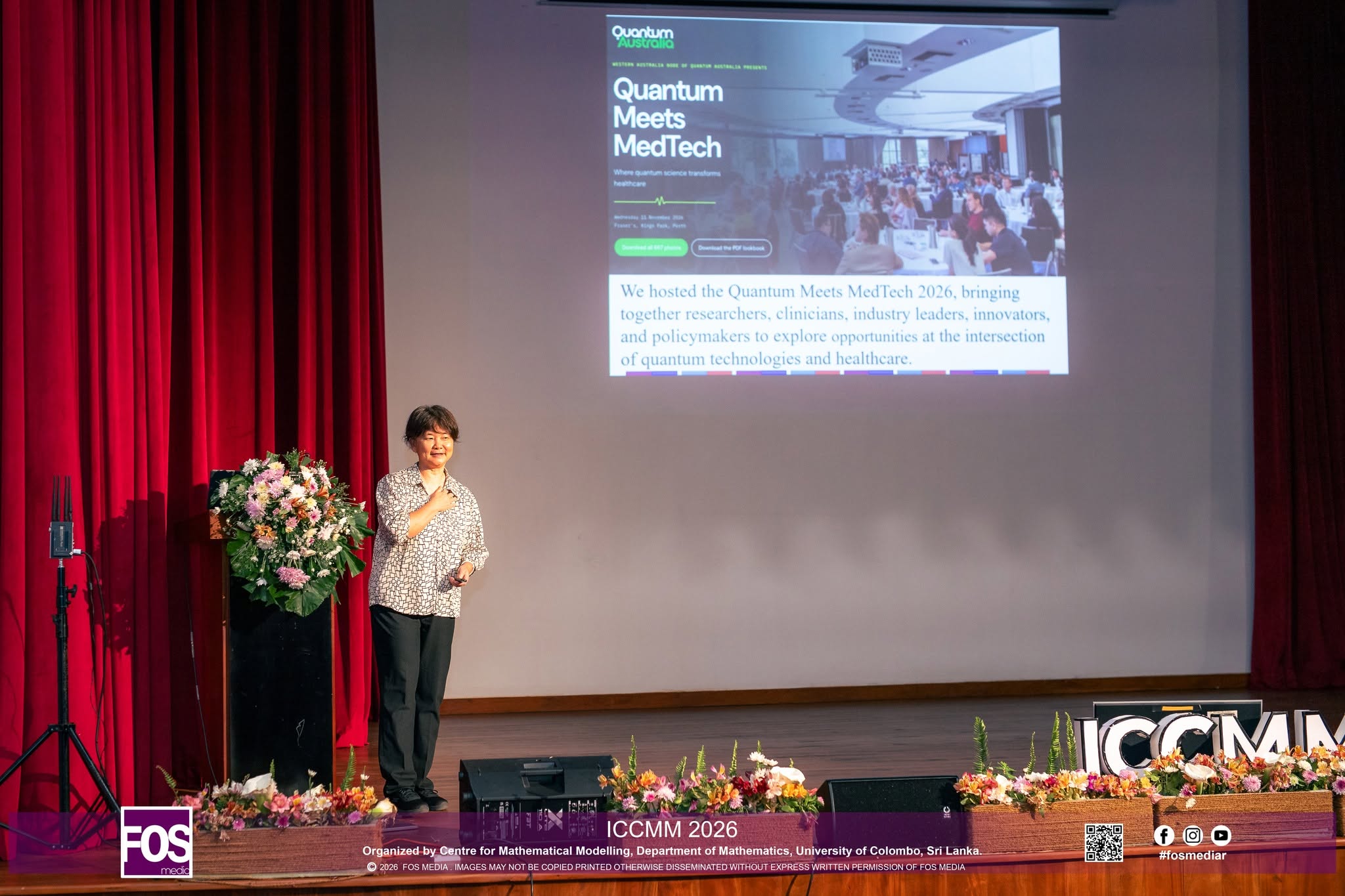
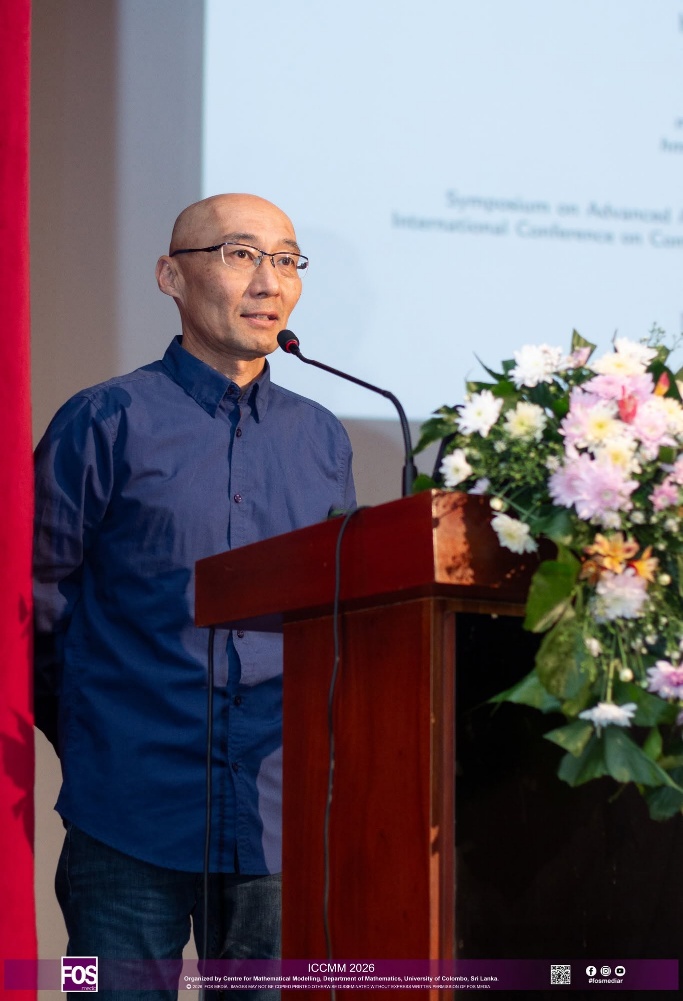
The Keynote Speech was delivered by Professor Hiroshi Mamitsuka of the Bioinformatics Center, Institute for Chemical Research and School of Pharmaceutical Sciences, Kyoto University, Japan. An internationally recognised authority in bioinformatics, machine learning, and computational biology and author of Machine Learning and Data Mining: with Bioinformatics Applications Professor Mamitsuka highlighted how advanced data-mining and AI methodologies unlock complex life-science challenges involving gene networks, medical pathways, and molecular structures.

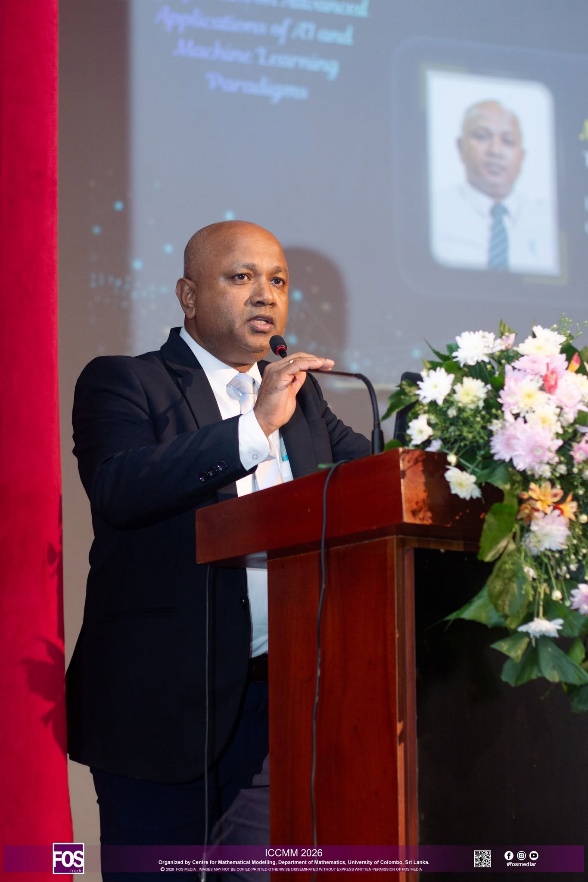
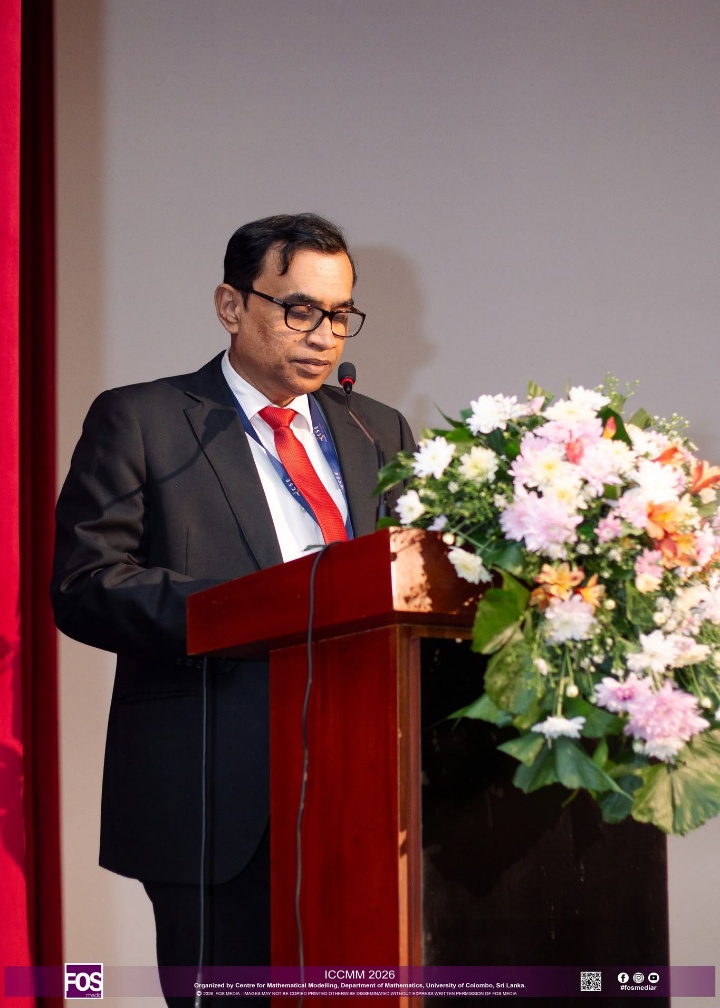
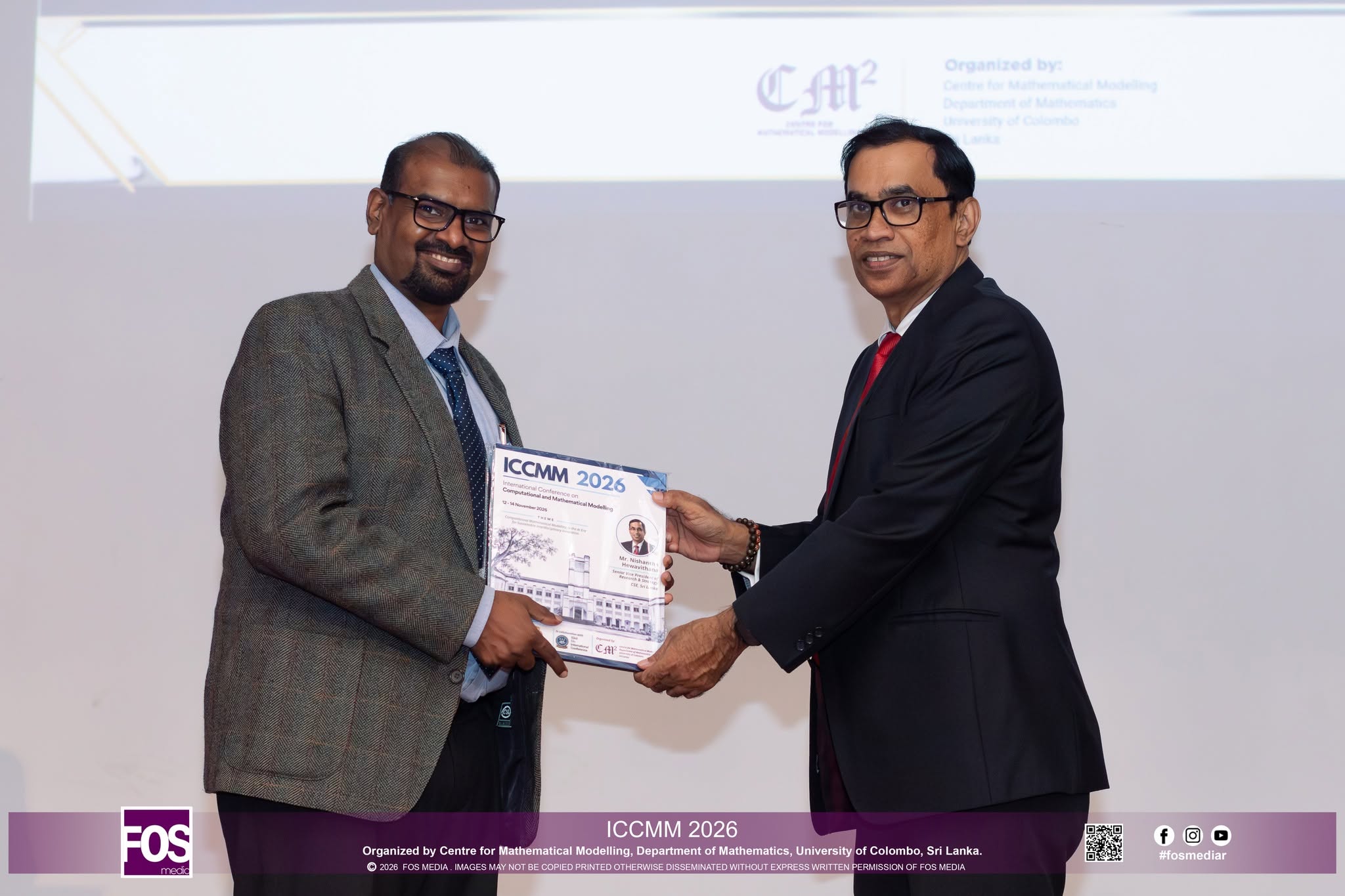
Adding an industry perspective from capital markets, Mr. Nishantha Hewavithana, Senior Vice President of Research & Strategy at the Colombo Stock Exchange (CSE), delivered an Invited Talk titled “How AI can strengthen market integrity and surveillance,” illustrating how modern machine learning paradigms enhance regulatory oversight and market transparency.

Symposium on Mathematical Applications

The Symposium on Mathematical Applications, organised as part of the International Conference on Computational and Mathematical Modelling 2026 (ICCMM 2026), was successfully held on 13 November 2026 at the Information and Learning Centre (ILC), Faculty of Science, University of Colombo. Hosted by the Centre for Mathematical Modelling, Department of Mathematics, University of Colombo, the symposium was conducted in collaboration with the Centre for Advanced Graph Theory and Network Sciences and The Gandhigram Rural Institute (Deemed to be University), Ministry of Education, Government of India.

Chaired jointly by Professor G. Mahadevan and Dr. Lakmi Niwanthi, the symposium brought together researchers and academics to explore contemporary advancements in pure and applied mathematics spanning graph theory, fuzzy logic, algebraic structures, inventory optimisation, wireless communication modelling, and healthcare analytics.

The symposium commenced with a Welcome Speech delivered by Professor Sanjeewa Perera, Conference Chair of ICCMM 2026 and Director of the Centre for Mathematical Modelling, who highlighted the importance of regional academic partnerships in advancing applied mathematical research.

This was followed by the ceremonial felicitation of the Vice-Chancellor and a Special Talk delivered by Professor N Panchanatham, Vice Chancellor, The Gandhigram Rural Institute–Deemed to be University (GRI-DTBU), India emphasising cross-border scientific collaboration and the growing role of mathematical sciences in addressing real-world societal challenges.

The Keynote Speech was subsequently delivered by Professor G. Mahadevan of The Gandhigram Rural Institute (Deemed to be University), India, on the topic “Revolutionizing Real-Life Applications Through Graph Theory: Medical Innovations Beyond Digital Solutions,” demonstrating how graph-theoretic frameworks drive breakthroughs in medical diagnostics and healthcare systems.

Invited Talks

Following the keynote session, a series of invited talks and research paper presentations showcased diverse theoretical and computational applications:

  • Dr. N. Anbazhagan (Alagappa University, India) Dynamic Optimization of Purchase Switching in a Two-Commodity Perishable Inventory System
  • Dr. K. B. Rajesh (Government Arts College, Coimbatore, India) Mathematical Structures of Diffraction and Imaging Systems
  • Dr. N. Anitha (Periyar University Centre for Postgraduate and Research Studies, India) Role of Neutrosophic Fuzzy Logic in Inventory Management: Addressing Uncertainties in Demand and Lead Time
  • Dr. N. Priyadharsini (PSGR Krishnammal College for Women, India) Computational Modelling to Experimental Validation: Perovskite Ceramic Dielectric Resonator Antennas for 6G Applications
  • Dr. S. Thalapathiraj (SRM Institute of Science and Technology, Vadapalani Campus, India) Mathematical and Computational Approaches to Healthcare using Artificial Intelligence
  • Dr. D. Radha (A.P.C. Mahalaxmi College for Women, India) The Intrinsic Architecture of General Near-Rings
  • Dr. M. K. Karthik Chidambaram (S.T. Hindu College, India) Some New Graph Labelings
  • Dr. J. Maruthamani (Sri Ram Nallamani Yadava College of Arts and Science, India) k-Total Prime Cordial Labelling of Graphs and Its Applications
  • Dr. R. Sumathi (Paper Presentation) Mobile Phone Selection Using L-Fuzzy Ideals in Ordered Semirings
  • Dr. Jebalan (Paper Presentation) Perfectly Antimagic Total Labeling in Complete Graphs and Vertex Switching Graphs

By fostering dialogue between international mathematicians and local researchers, the Symposium on Mathematical Applications further strengthened Indo–Sri Lankan academic ties and underscored the Faculty of Science’s commitment to interdisciplinary mathematical innovation.
Special Session on AI-Driven Computational and Mathematical Modelling

The Special Session on AI-Driven Computational and Mathematical Modelling, hosted as a core track of the International Conference on Computational and Mathematical Modelling 2026 (ICCMM 2026), was successfully held on 13 November 2026 at the Faculty of Science, University of Colombo. Organized by the Centre for Mathematical Modelling of the Department of Mathematics, University of Colombo, and chaired by Dr. Priyanga Talagala and Dr. Thilini Piyatilake (University of Moratuwa), the session convened under the theme “AI-Driven Modelling for Analysis, Prediction, Optimization, and Decision Support across Complex Systems”.

Providing an interdisciplinary forum for mathematicians, data scientists, engineers, and domain specialists, the session explored how emerging approaches in artificial intelligence, numerical simulation, algorithmic optimization, and decision support systems can support analysis, prediction, and evidence-based decision-making across scientific, technological, environmental, economic, and industrial domains.

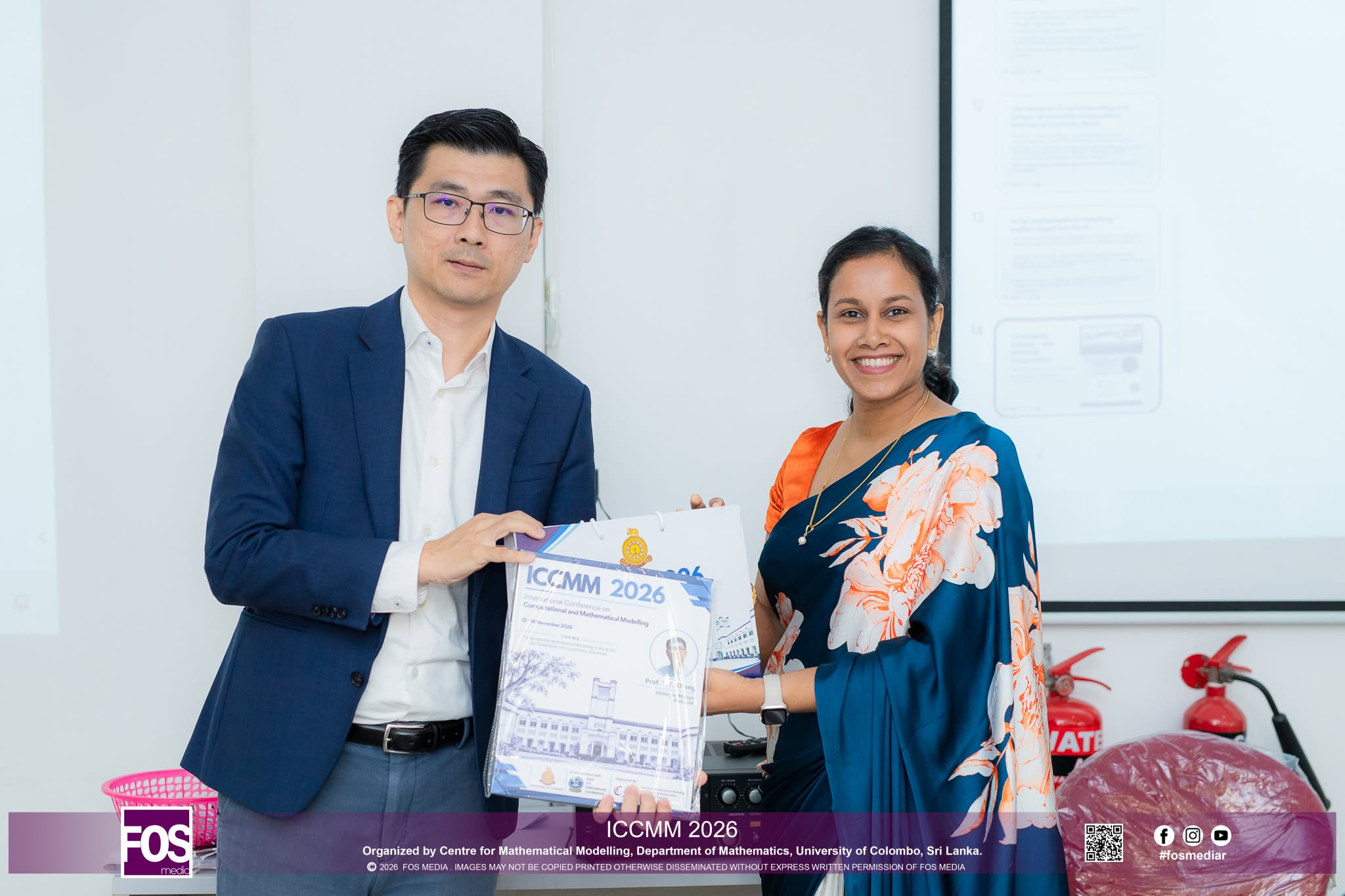
The academic programme featured distinguished international expertise, highlighted by a Keynote Address delivered by Professor T. F. Khang, Associate Professor at the Institute of Mathematical Sciences, Faculty of Science, Universiti Malaya, Malaysia.

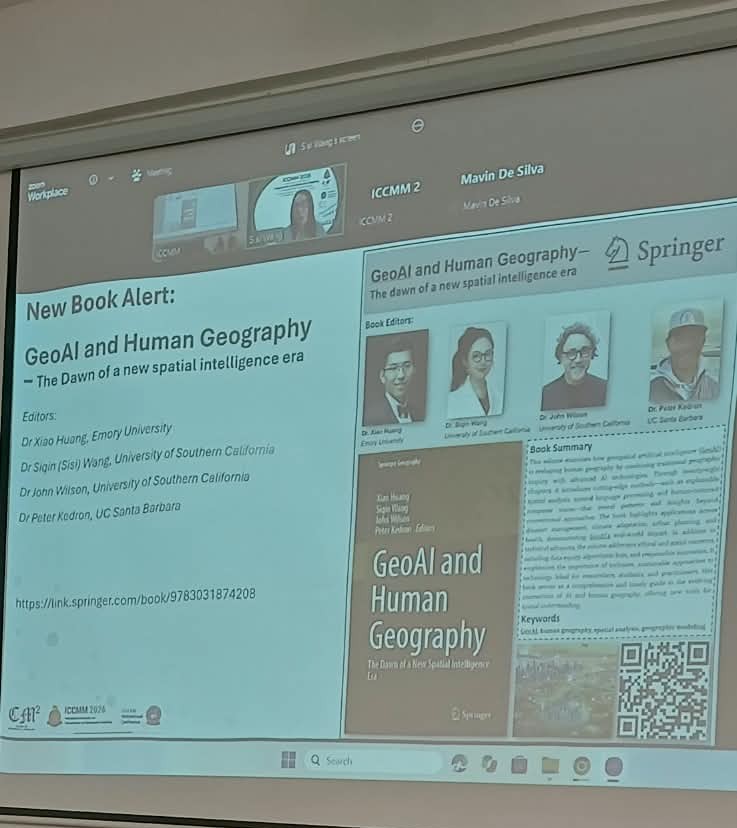
In addition, Professor Sisi Wang, Ph.D., GISP, of the Spatial Sciences Institute, University of Southern California, United States, delivered an Invited Talk titled “Human-Environment as a Whole in the Era of AI and Open Science”. Drawing on research outcomes from more than ten multidisciplinary projects, Professor Wang examined how crowdsourced human observation data, GeoAI techniques, Earth observation analytics, and open science workflows advance the understanding of complex human–environment interactions.

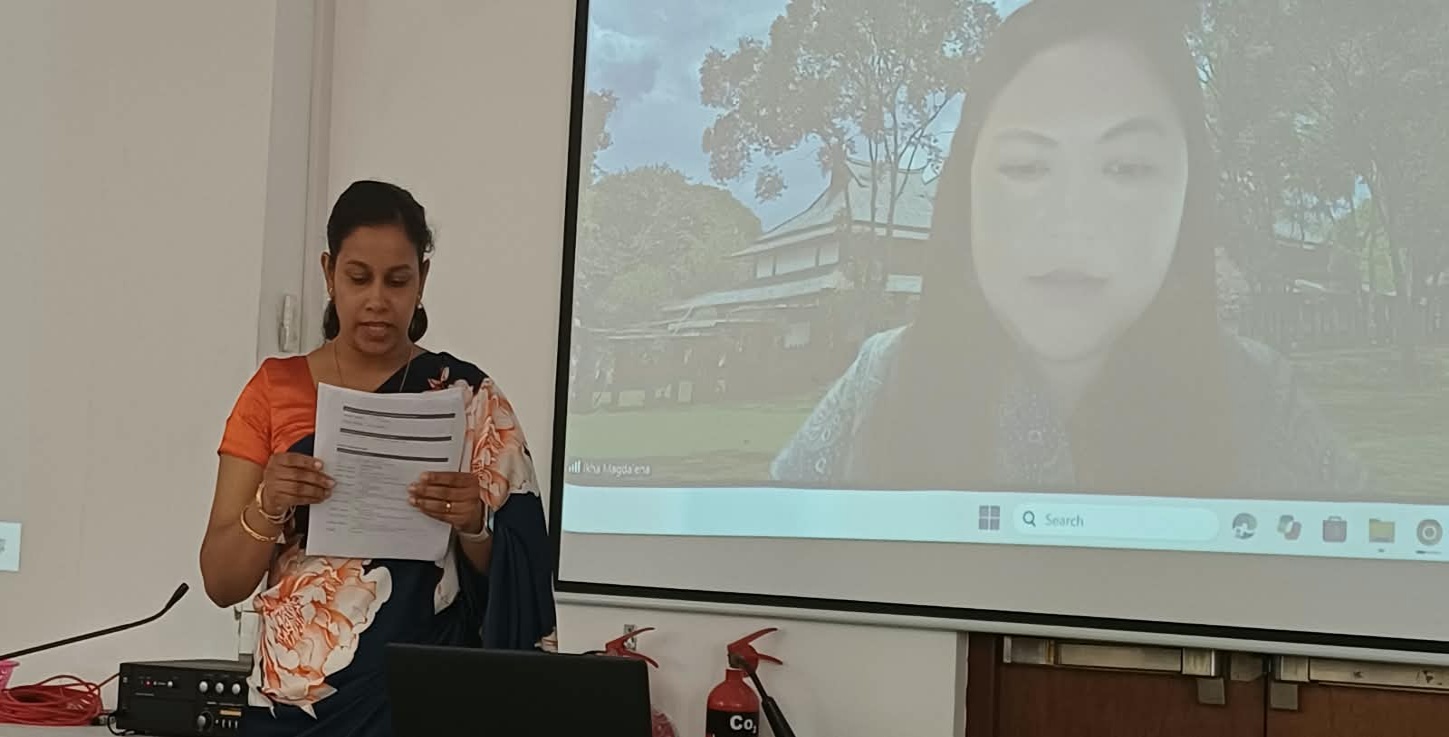
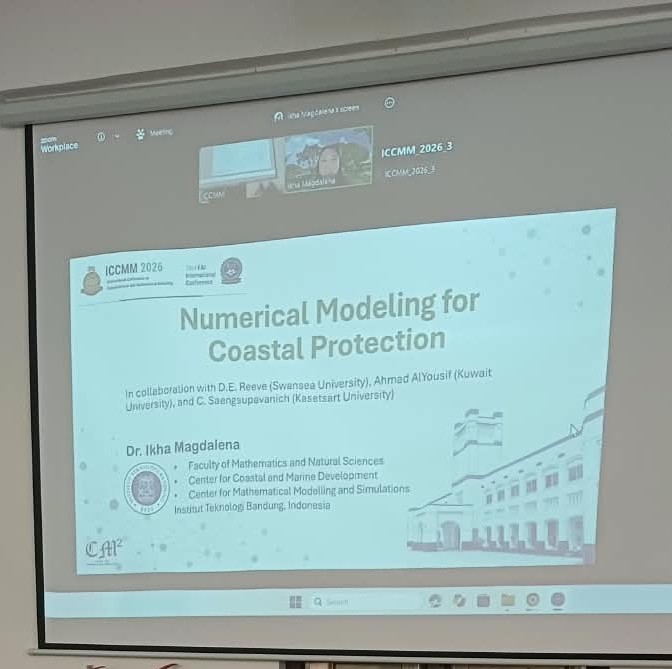
Dr. Ikha Magdalena, representing the Faculty of Mathematics and Natural Sciences, Center for Coastal and Marine Development, and Center for Mathematical Modeling and Simulation, Institut Teknologi Bandung, Indonesia, delivered an invited talk titled “Numerical Modeling for Coastal Protection.”

The technical programme also featured eight research paper presentations, providing an opportunity for researchers to share their latest findings, exchange ideas, and engage in academic discussions on emerging developments in computational and mathematical modelling.

By uniting foundational mathematical theory with scalable artificial intelligence and open-science workflows, the Special Session on AI-Driven Computational and Mathematical Modelling fostered meaningful international research collaboration and underscored the Centre for Mathematical Modeling leadership in data-driven, sustainable innovation.
QuantEdge 1.0 Bridging STEM Excellence and Global Capital Markets

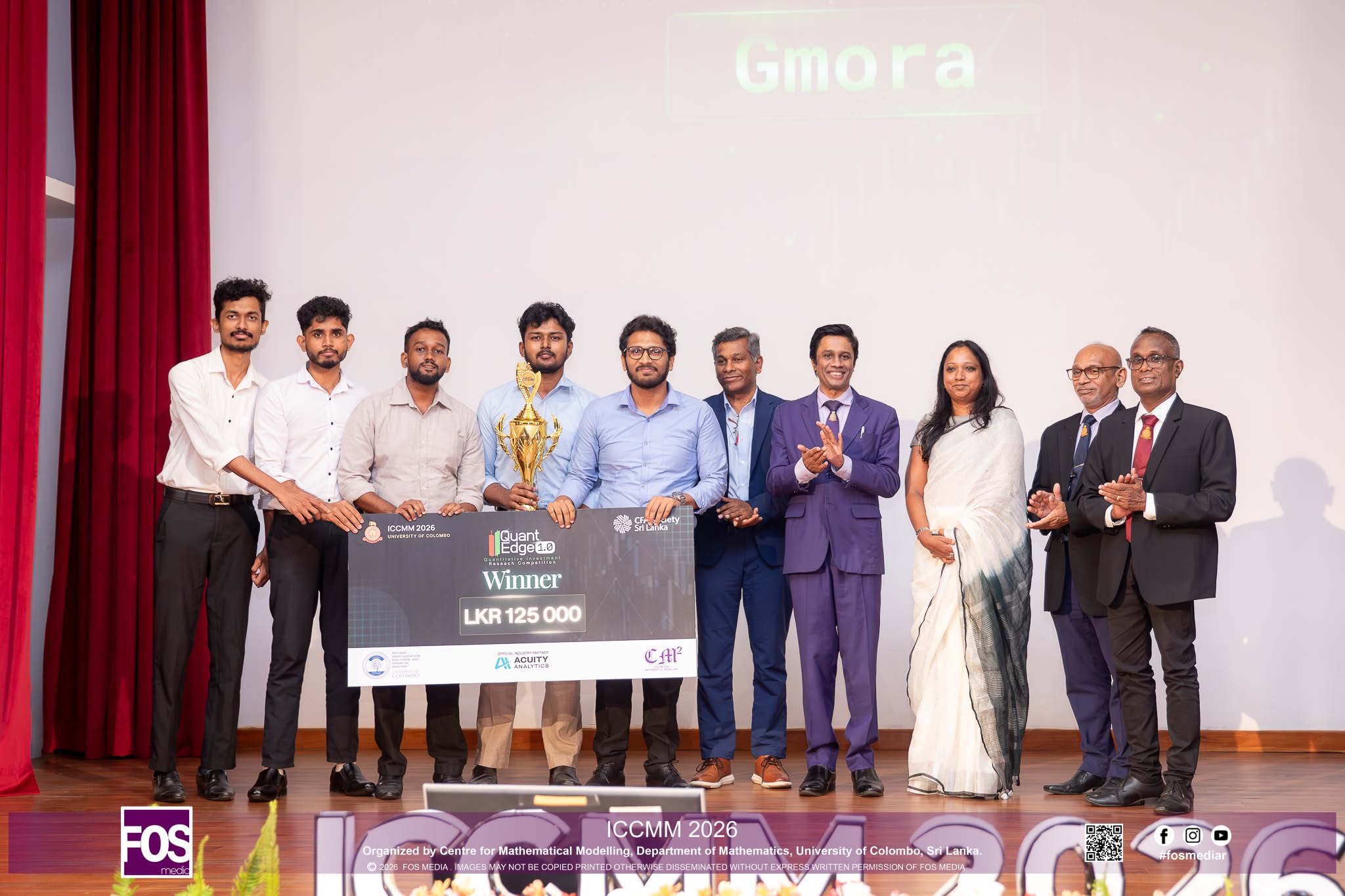
QuantEdge 1.0, Sri Lanka’s inaugural national STEM quantitative investment research competition, concluded with its Grand Finale on Friday, 13 November 2026, at the University of Colombo as a flagship competition track of the International Conference on Computational and Mathematical Modelling 2026 (ICCMM 2026). Organized by the Centre for Mathematical Modelling (Department of Mathematics) and the Students’ Association for Industrial & Financial Analysis (SAIFA) at the University of Colombo, in collaboration with CFA Society Sri Lanka as main partner and Acuity Analytics as industry partner, the event convened under the theme “Local Minds, Global Markets Transforming STEM Expertise into Quantitative Investment Leadership”.

Drawing 40 five-member undergraduate teams nationwide with no prior finance background required, the competition advanced 20 shortlisted teams through an industry bootcamp and a four-week mentored challenge. Acting as quantitative research divisions, participants tackled a simulated USD 10 million investment mandate for a conservative university endowment focused on capital preservation.

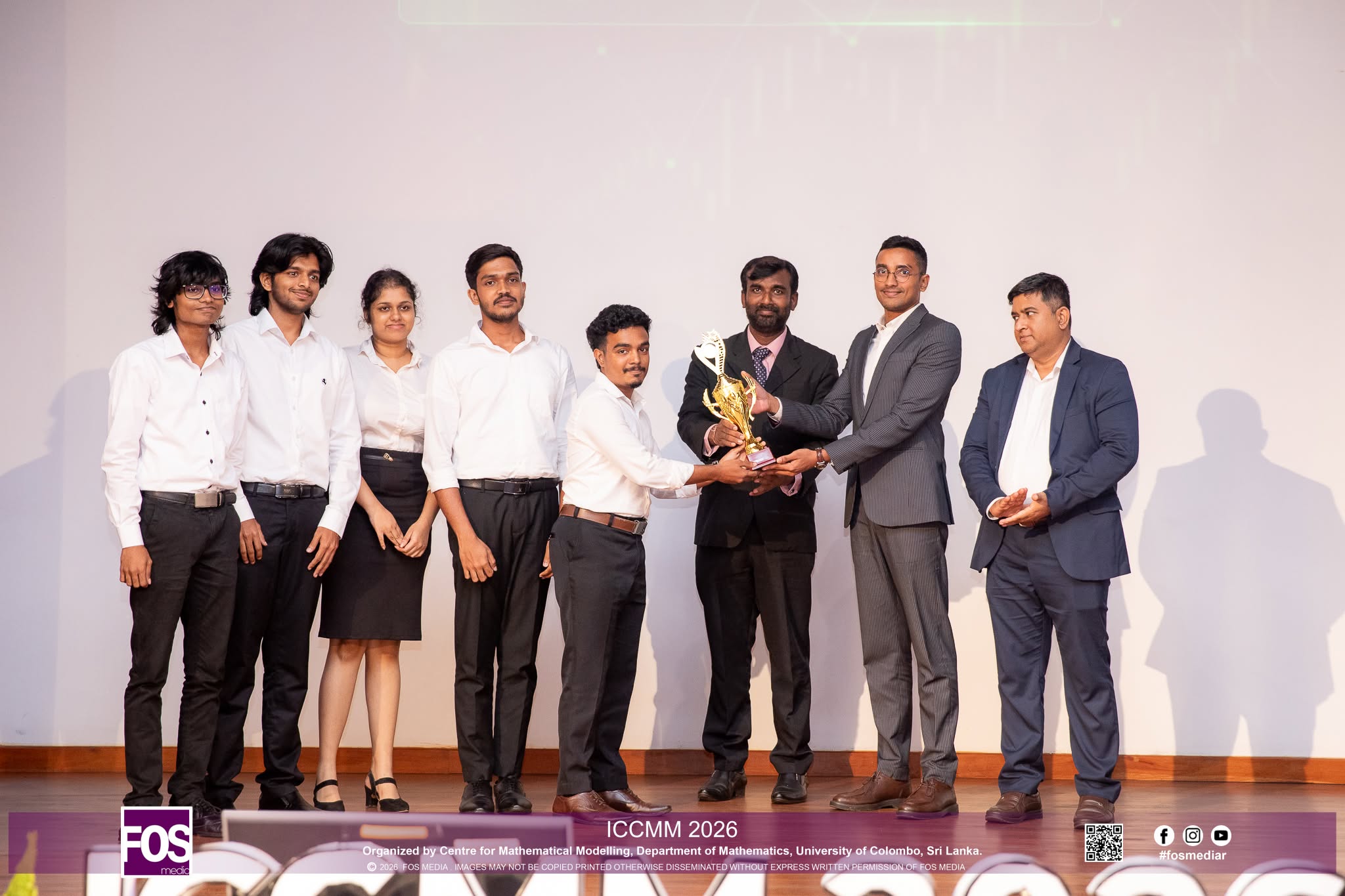
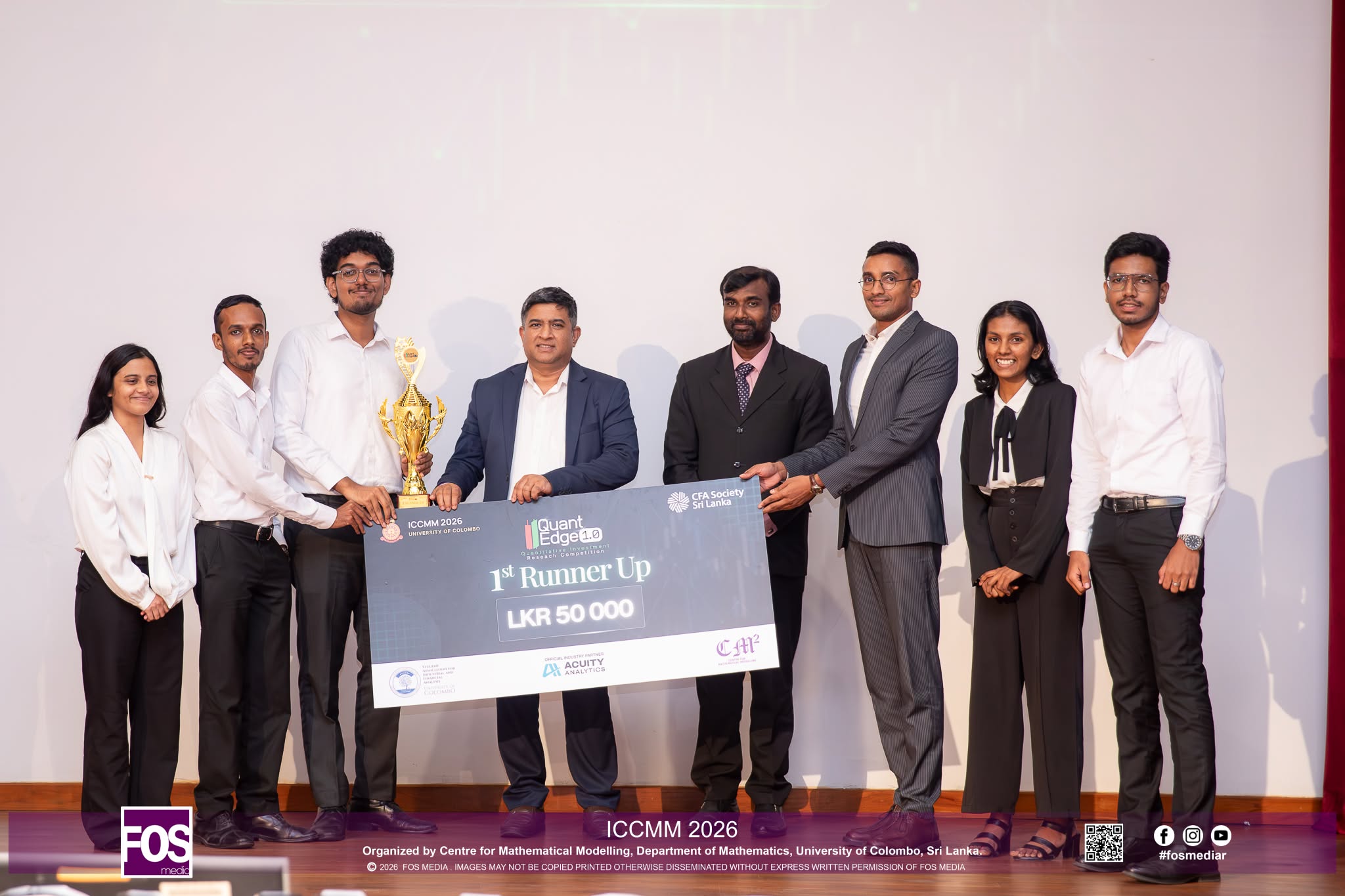
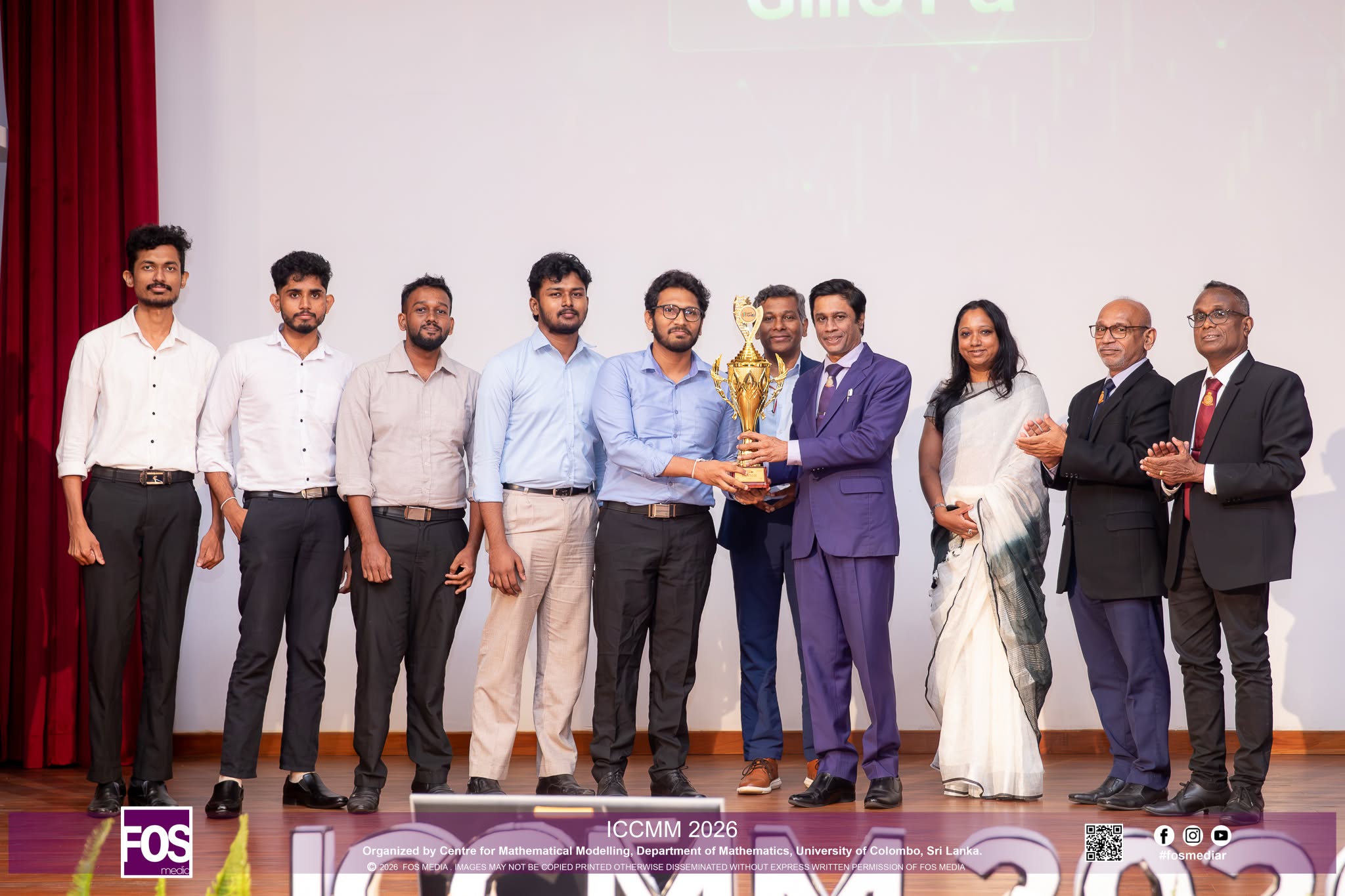
Following a highly competitive final round, a team from the University of Moratuwa emerged as overall champions, claiming the 1st Place cash award of LKR 125,000. A team from the University of Colombo placed first runner-up to secure the 2nd Place award of LKR 50,000, while a team from the National Institute of Business Management (NIBM) placed second runner-up, winning the 3rd Place award of LKR 25,000. A second team from the University of Moratuwa and a team from General Sir John Kotelawala Defence University completed the top five finalists, with all top performers receiving distinguished sector recognition.

The awarding ceremony was graced by Chief Guest Professor Indika Mahesh Karunathilake, Vice-Chancellor, University of Colombo, Professor I. M. K. Fernando, Dean, Faculty of Science, and Professor Sanjeewa Perera, Chair, ICCMM 2026. Industry leadership also addressed the finalists, including CFA Society Sri Lanka President Ms. Nadika Ranasinghe, CFA, and Mr. Nuwan Jayawardana, CFA, Board Member and Chair of the University Outreach Committee of CFA Society Sri Lanka, and Director of Buy-side Investment Research at Acuity Analytics.

By uniting mathematical modeling, software engineering, and institutional investment practice, QuantEdge 1.0 establishes an enduring annual platform preparing Sri Lankan STEM undergraduates for global careers in investment management, quantitative risk, and the CFA Program.

Green Money, Greener Planet Financing a Sustainable Tomorrow

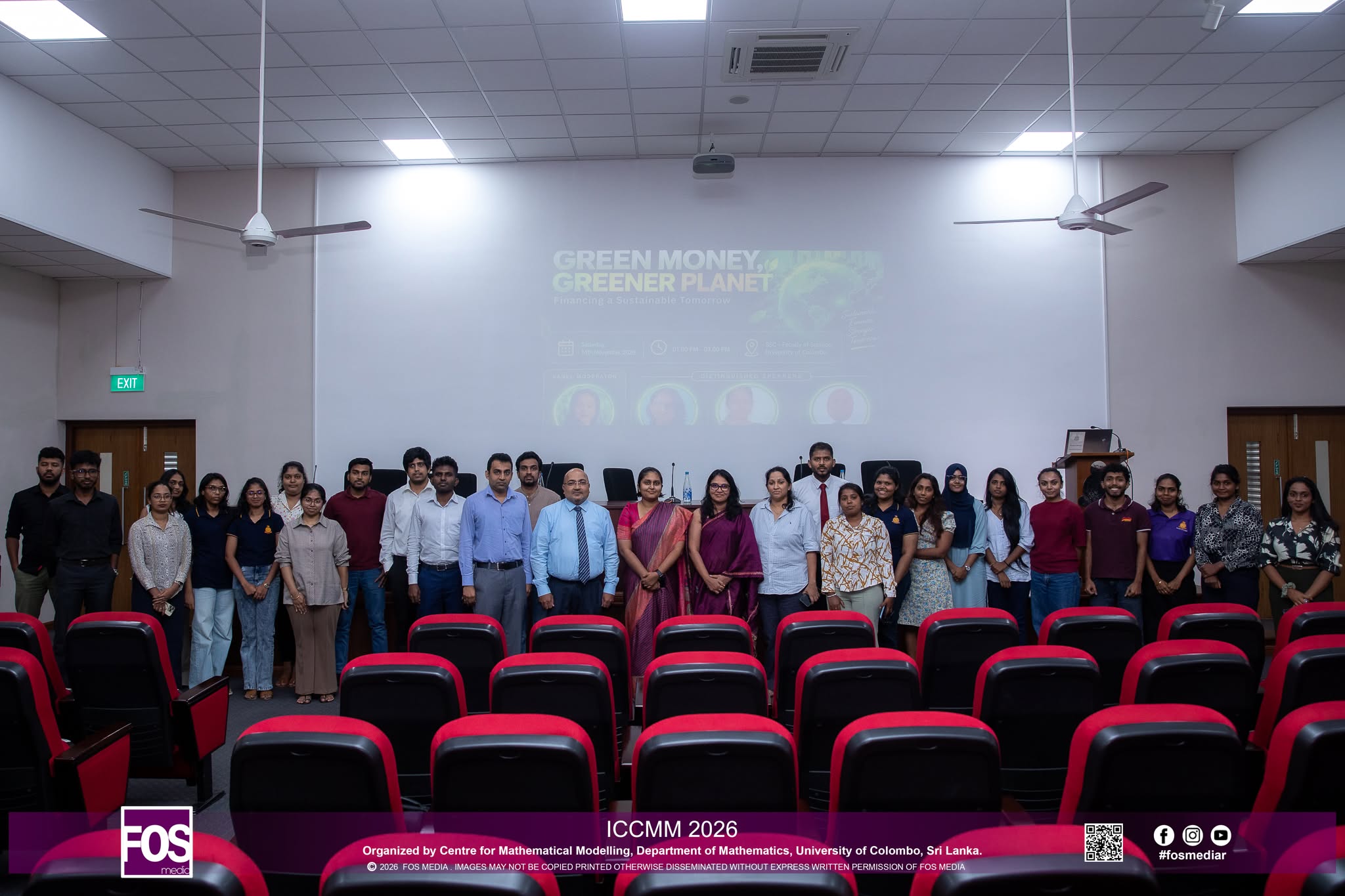
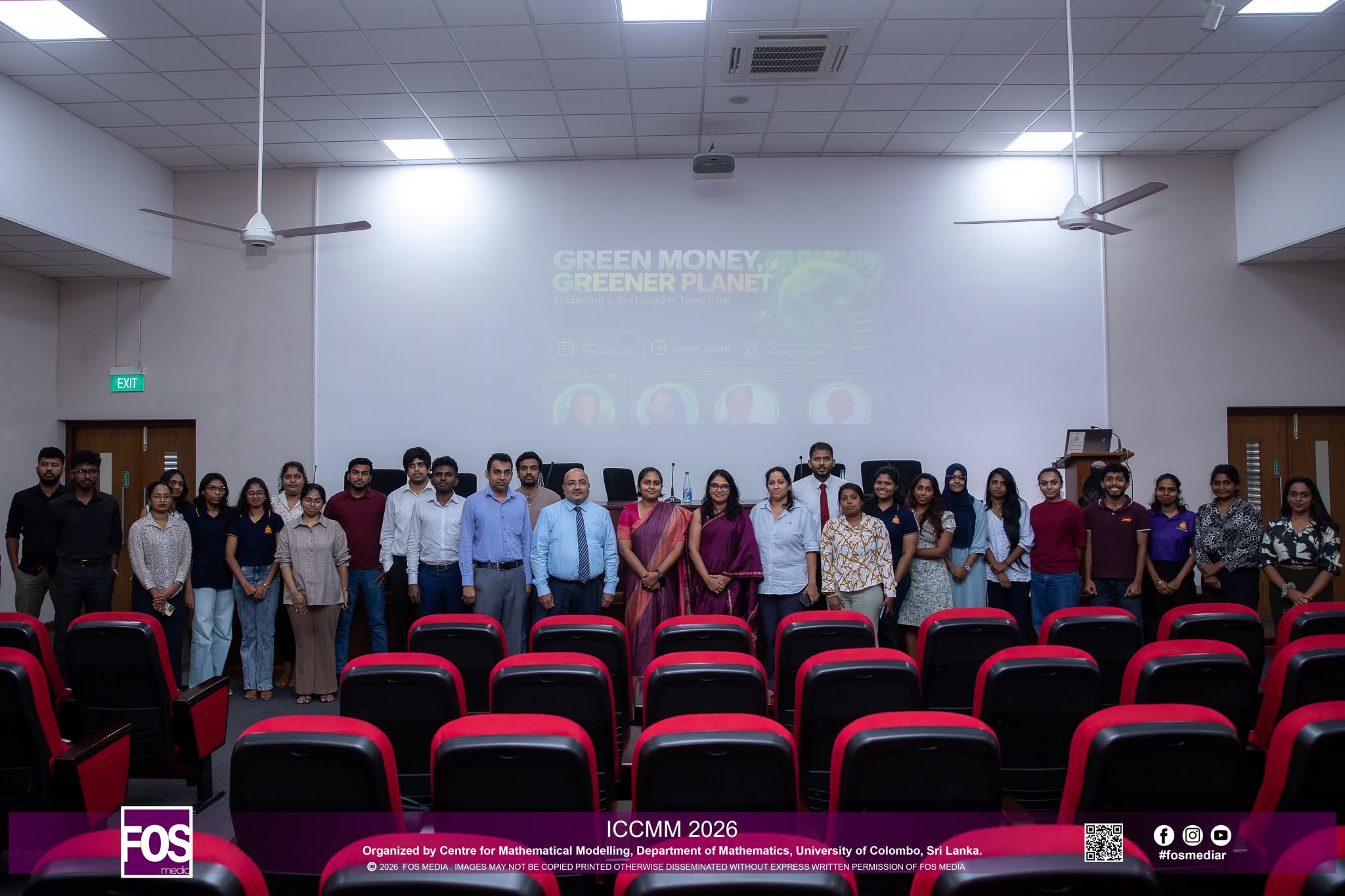
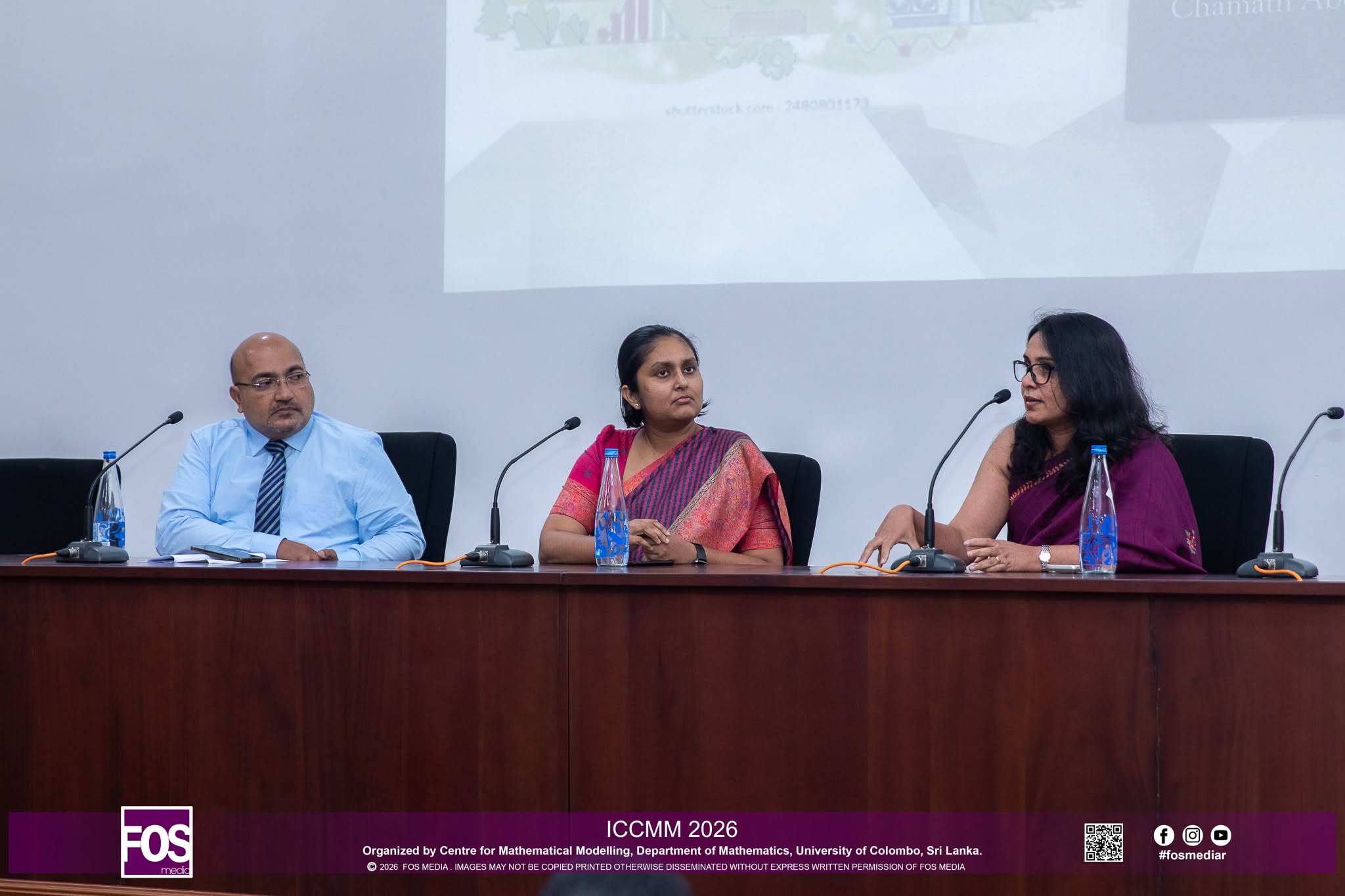
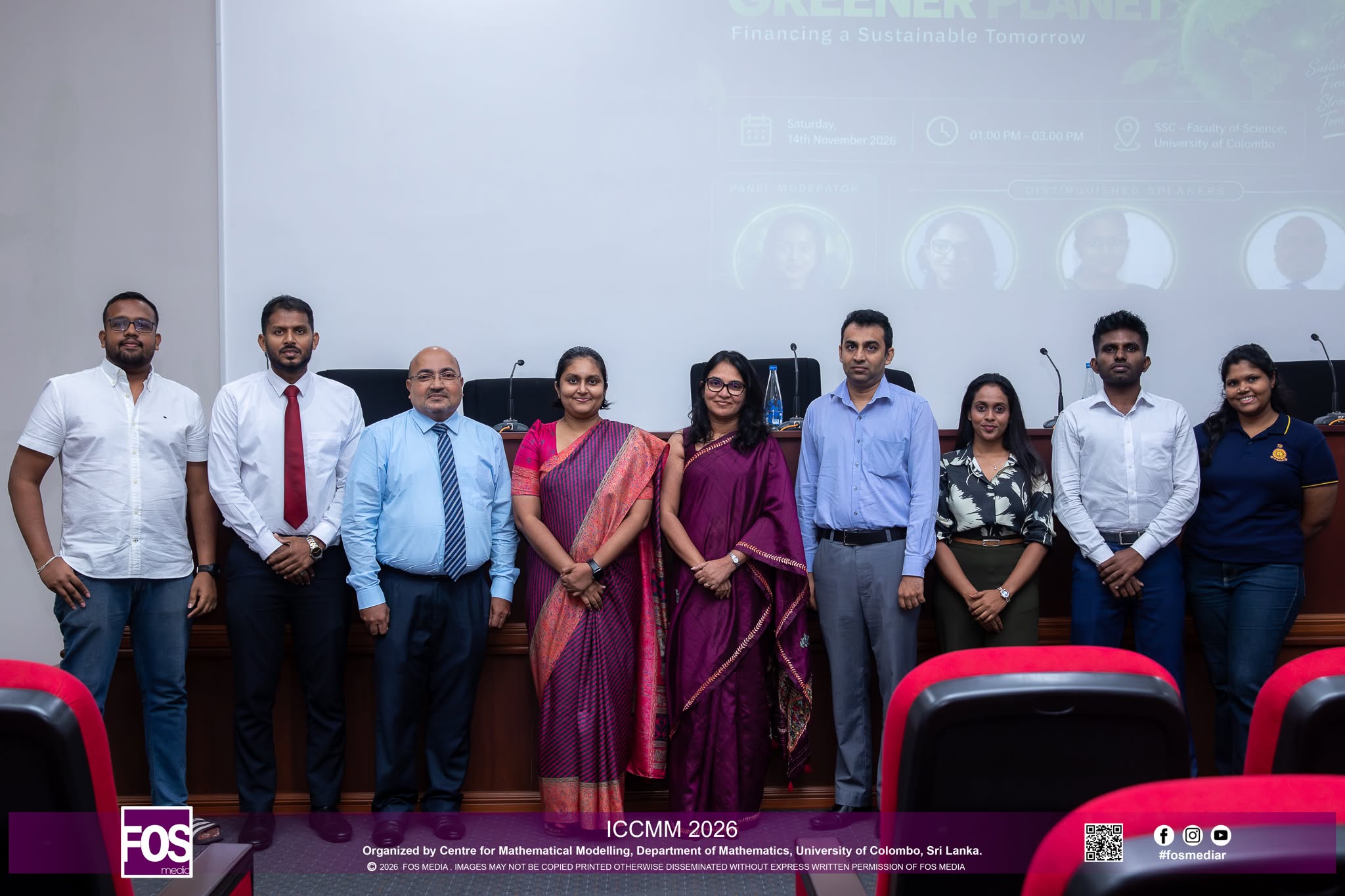
The Financial Engineering Alumni Association (FEA) of the University of Colombo, in collaboration with the Centre for Mathematical Modelling, hosted “Green Money, Greener Planet: Financing a Sustainable Tomorrow,” an industry-academia panel discussion held on Saturday, 14 November 2026, at the ILC Auditorium, University of Colombo, as part of the International Conference on Computational and Mathematical Modelling 2026 (ICCMM 2026). Convened under the session theme “Sustainable Finance. Stronger Tomorrows – Financing a Sustainable Tomorrow through People, Ideas, and Capital,” the forum brought together leading voices from commercial banking, development finance, and quantitative modeling to examine how capital markets and mathematical innovation can be mobilized to accelerate climate resilience and sustainable economic growth.

Discussions explored how strategic capital allocation, commercial banking frameworks, and quantitative engineering can actively fund environmental conservation while delivering actionable insights on aligning corporate financial strategies and investment portfolios with global Environmental, Social, and Governance (ESG) standards. A central emphasis of the dialogue was driving inclusive, green growth through sustainable banking products, robust environmental and social risk safeguards, corporate social responsibility (CSR), and targeted financial channels that empower women and local communities.

The panel discussion was anchored around four core thematic pillars:

  • Green & Inclusive Banking
  • Environmental & Social Safeguards
  • Financial Engineering & Climate Modelling
  • Development Policy & Sustainable Investments

Distinguished Panel of Resource Persons

  • Priyanka Wijeyaratna – Chief Sustainability Officer, Hatton National Bank
  • Sithumini Anuradha Wijerathna – Manager (Sustainability, Women Banking, Green Finance & CSR), Commercial Bank of Ceylon PLC
  • Chamath Abeysinghe – Senior Safeguard Specialist | Consultant, Asian Development Bank & Department of Development Finance, Ministry of Finance

Integrated into ICCMM 2026’s mission of advancing computational and mathematical modeling for sustainable interdisciplinary innovation, “Green Money, Greener Planet” underscored the vital role of collaborative financial leadership in building an environmentally resilient and economically inclusive future.

Mini Symposium on Computational Ecology and Biodiversity Modelling

The Mini Symposium on Computational Ecology and Biodiversity Modelling, featured as an interdisciplinary track of the International Conference on Computational and Mathematical Modelling 2026 (ICCMM 2026), was successfully held on 13 November 2026 at the Faculty of Science, University of Colombo, where the session was chaired by Dr. Oshadee Peiris. Jointly organized by the Department of Plant Sciences in collaboration with the Centre for Mathematical Modelling, the symposium convened under the theme “Leveraging Computational Ecology and Biodiversity Modelling for Evidence-Based Conservation and Environmental Resilience” and the guiding vision of “turning field observation into models that protect what’s left to protect.”

Chaired by Professor Hashendra Kathriarachchi of the Department of Plant Sciences, with Mr. S. M. Pawuluwage serving as Mini Symposium Secretary, the forum addressed pressing environmental threats facing Sri Lanka, a globally recognised biodiversity hotspot rich in endemism across lowland rainforests, montane ecosystems, and dry zone habitats. By uniting ecologists, mathematicians, data scientists, and geospatial experts, the symposium highlighted how merging ecological theory with mathematical modelling, statistical inference, remote sensing, and data science supports evidence-based conservation planning.

The academic programme featured invited presentations alongside contributed research papers examining species distribution modelling, environmental informatics, and conservation prioritization. Professor Charles H. Cannon (Xishuangbanna Tropical Botanical Garden, Chinese Academy of Sciences, China) delivered an invited presentation titled “Species distribution modeling and sympatry analysis for better conservation prioritization and research,” demonstrating how spatial biodiversity models guide targeted habitat protection.

Professor Devanmini Halwatura (Department of Zoology and Environment Sciences, Faculty of Science, University of Colombo, Sri Lanka) presented an invited talk titled “Decoding Nature Through Environmental Data for Biodiversity Conservation,” highlighting data-driven approaches to ecological monitoring and conservation management.

Through this joint initiative between the Department of Plant Sciences and the Centre for Mathematical Modelling, the mini symposium strengthened international scholarly exchange and reinforced the Centre’s leadership in applying quantitative sciences to biodiversity conservation and environmental resilience.

Industrial Session From Student to Actuary

The Industrial Session: “From Student to Actuary,” held as a specialized industry track of the International Conference on Computational and Mathematical Modelling 2026 (ICCMM 2026), was successfully conducted on Friday, 13 November 2026 at the ILC Auditorium, Faculty of Science, University of Colombo.

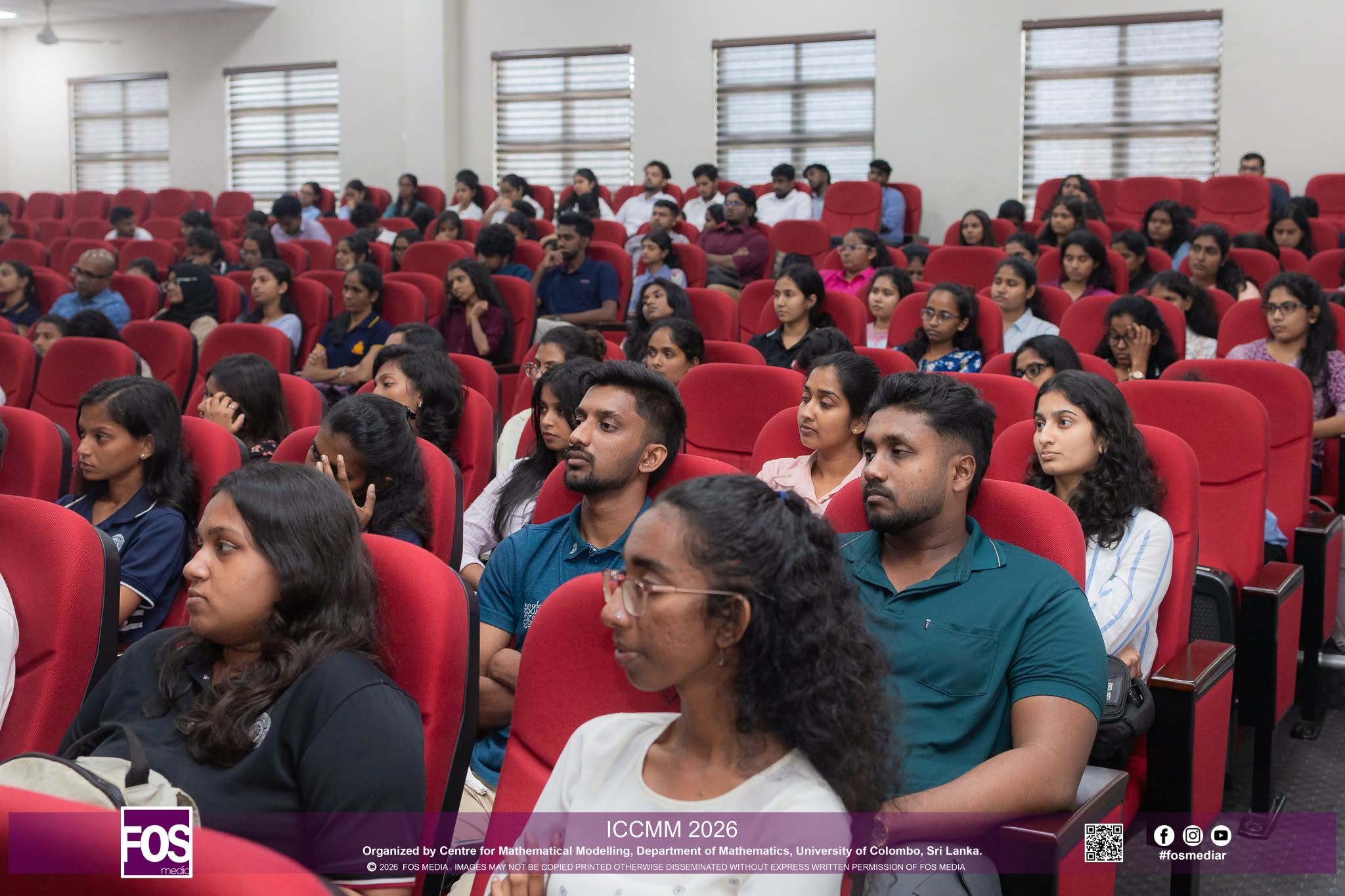
Jointly organized by the Centre for Mathematical Modelling of the Department of Mathematics, University of Colombo, in collaboration with the Actuarial Association of Sri Lanka (AASL), the session was conducted under the theme “From Student to Actuary - Understanding the Profession, Building the Skillset, and Preparing for the Future.” Designed to bridge university-level mathematical and statistical education with industry practice, the forum introduced undergraduate and postgraduate scholars to the actuarial profession, professional qualification pathways, and career opportunities across the insurance and financial services sectors.

The session commenced with a Welcome Address by Mr. Ritchie Adaman, Vice President of the Actuarial Association of Sri Lanka (AASL) and Senior Vice President (Actuarial) at HNB Life Insurance Ltd. The Keynote Address was delivered by Mr. Roshan Menaka, Assistant General Manager at AIA Insurance Lanka Limited, who shared valuable insights and perspectives on the actuarial profession, inspiring participants to explore the opportunities it offers.

Providing a structured introduction to the profession, Mr. Sanjana Wanigasekara, Actuarial Associate at Milliman, delivered a presentation titled “Introduction to the Actuarial Profession.” His presentation covered the core analytical competencies required of actuaries, professional examination pathways, and global career opportunities.

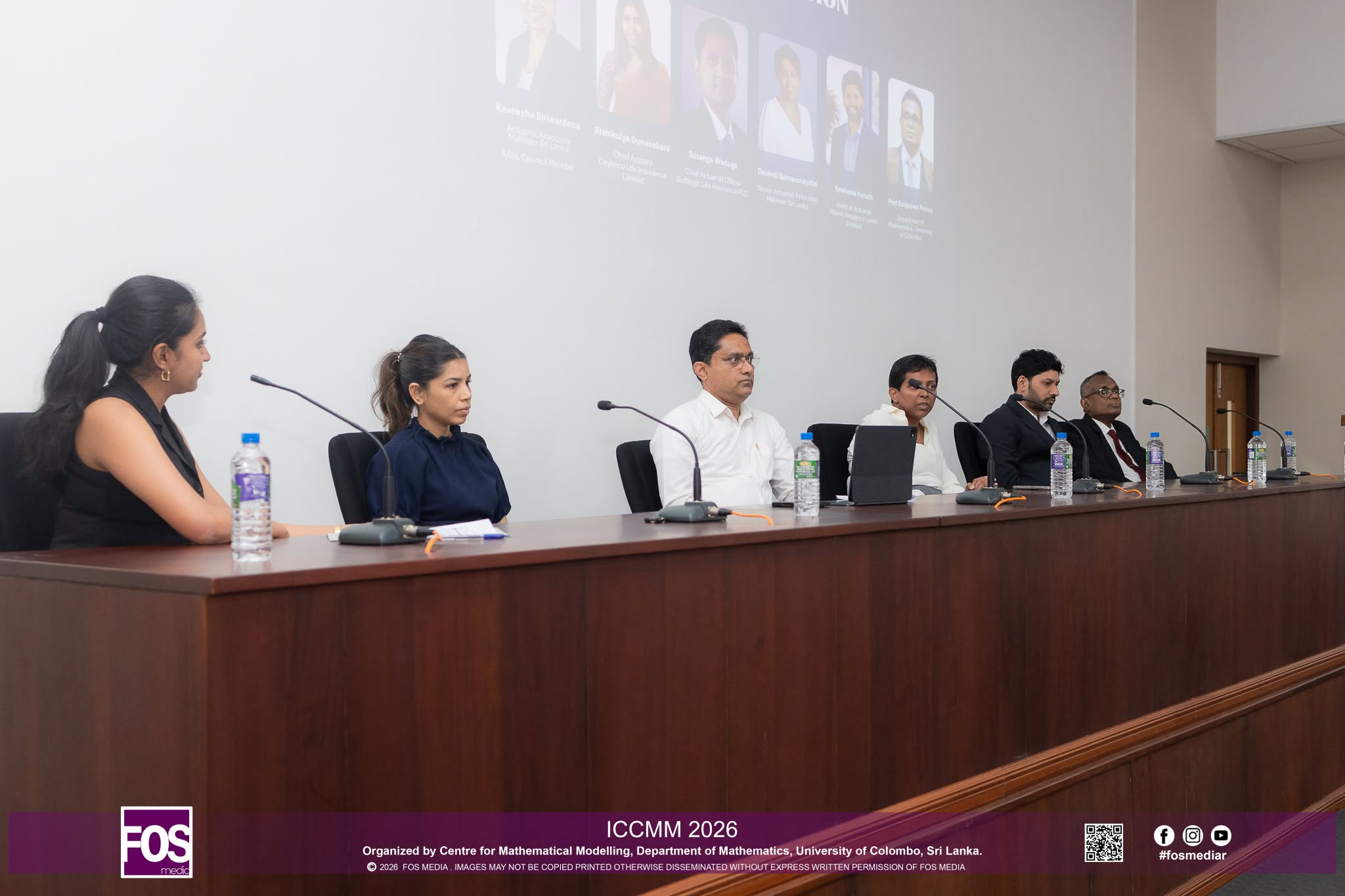
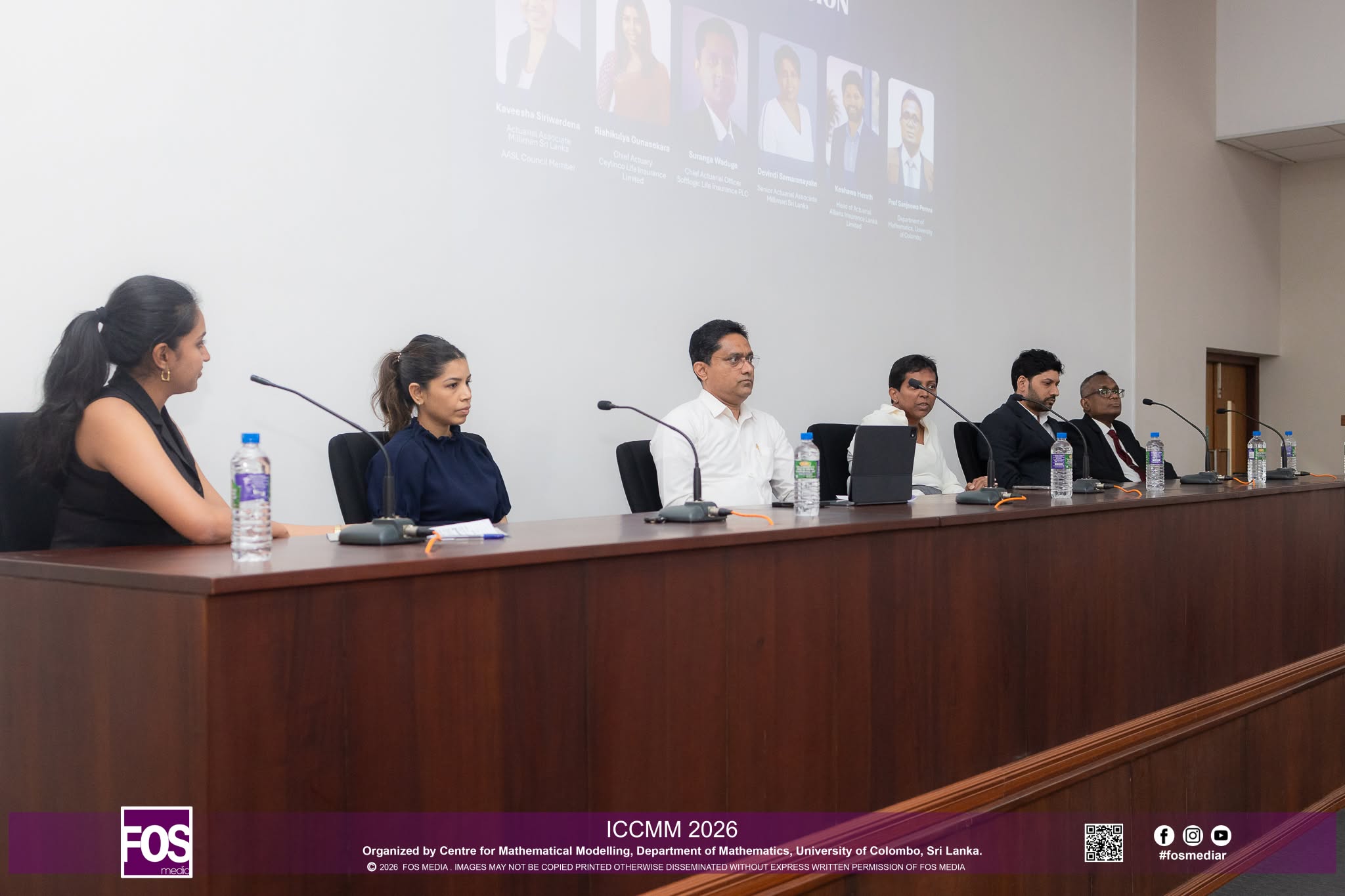
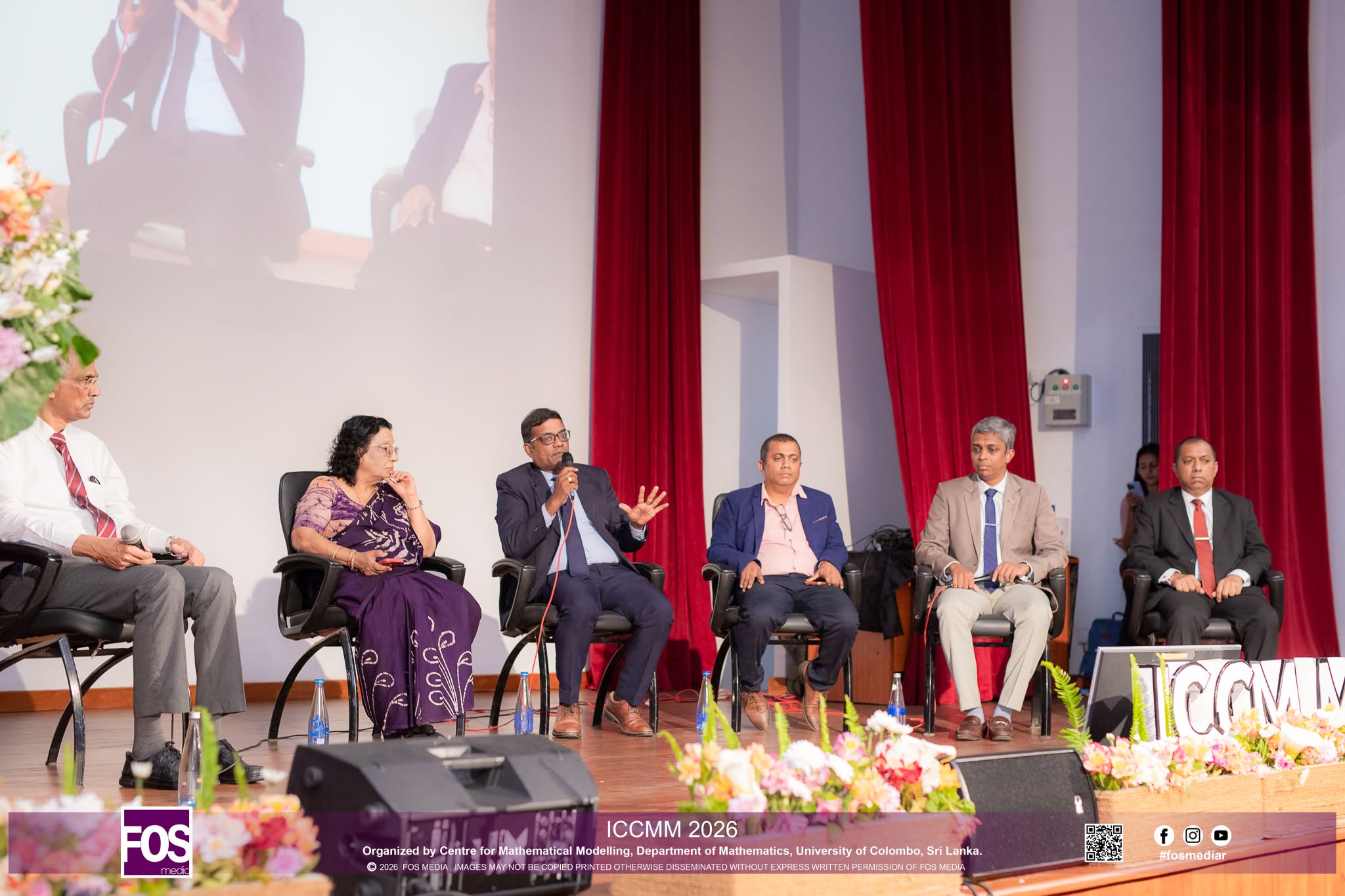
A key feature of the programme was an interactive panel discussion moderated by Ms. Kaveesha Siriwardena, Council Member of AASL and Actuarial Associate at Milliman. The discussion explored the evolving role of actuaries in the context of artificial intelligence and developments in regulatory frameworks governing financial risk. The panel brought together senior actuarial professionals and academic representation:

Panelists

  • Ms. Rishikulya Gunasekera – Chief Actuary, Ceylinco Life Insurance Limited
  • Mr. Suranga Waduge – Chief Actuarial Officer, Softlogic Life Insurance PLC
  • Mr. Keshawa Herath – Head of Actuarial, Allianz Insurance Lanka Ltd
  • Ms. Devindi Samaranayake – Senior Actuarial Associate, Milliman
  • Professor Sanjeewa Perera – Professor of Mathematics, Department of Mathematics, University of Colombo

Following the panel discussion, Mr. Ritchie Adaman conducted a practical workshop and Insurance Challenge, providing participants with hands-on experience in applying mathematical concepts and analytical techniques to real-world insurance and financial risk scenarios. This collaborative initiative between the Centre for Mathematical Modeling, University of Colombo, and the Actuarial Association of Sri Lanka reinforced the importance of industry-academia partnerships in developing future actuarial talent. By providing students with exposure to industry perspectives, professional guidance and practical applications, the session offered valuable insights into the transition from academic learning to a career in the actuarial profession.

Special Session on AI in Healthcare

The Special Session on AI in Healthcare, organized as a key interdisciplinary track of the International Conference on Computational and Mathematical Modelling 2026 (ICCMM 2026), was successfully held on 13 November 2026 at The Science Auditorium, ITSC, Faculty of Science, University of Colombo. Jointly hosted by the Centre for Mathematical Modelling, Department of Mathematics, University of Colombo, and the Expert Committee on AI in Medicine of the Sri Lanka Medical Association (SLMA), the session convened under the theme “AI as a Leverage in Healthcare Practices, Research and Innovation.”

The session explored how artificial intelligence, machine learning, and advanced analytics are transforming clinical diagnostics, treatment personalization, and therapeutic discovery. Emphasizing that technological potential delivers true impact only through collective action, the forum united clinicians, mathematical modellers, industry leaders, and national science bodies to establish realistic, ground-level implementation pathways for healthcare AI in Sri Lanka.

The morning proceedings commenced with a Welcome Address delivered by Professor Sanjeewa Perera, Conference Chair of ICCMM 2026, who underscored the importance of bridging quantitative sciences and medical expertise to address contemporary healthcare challenges.

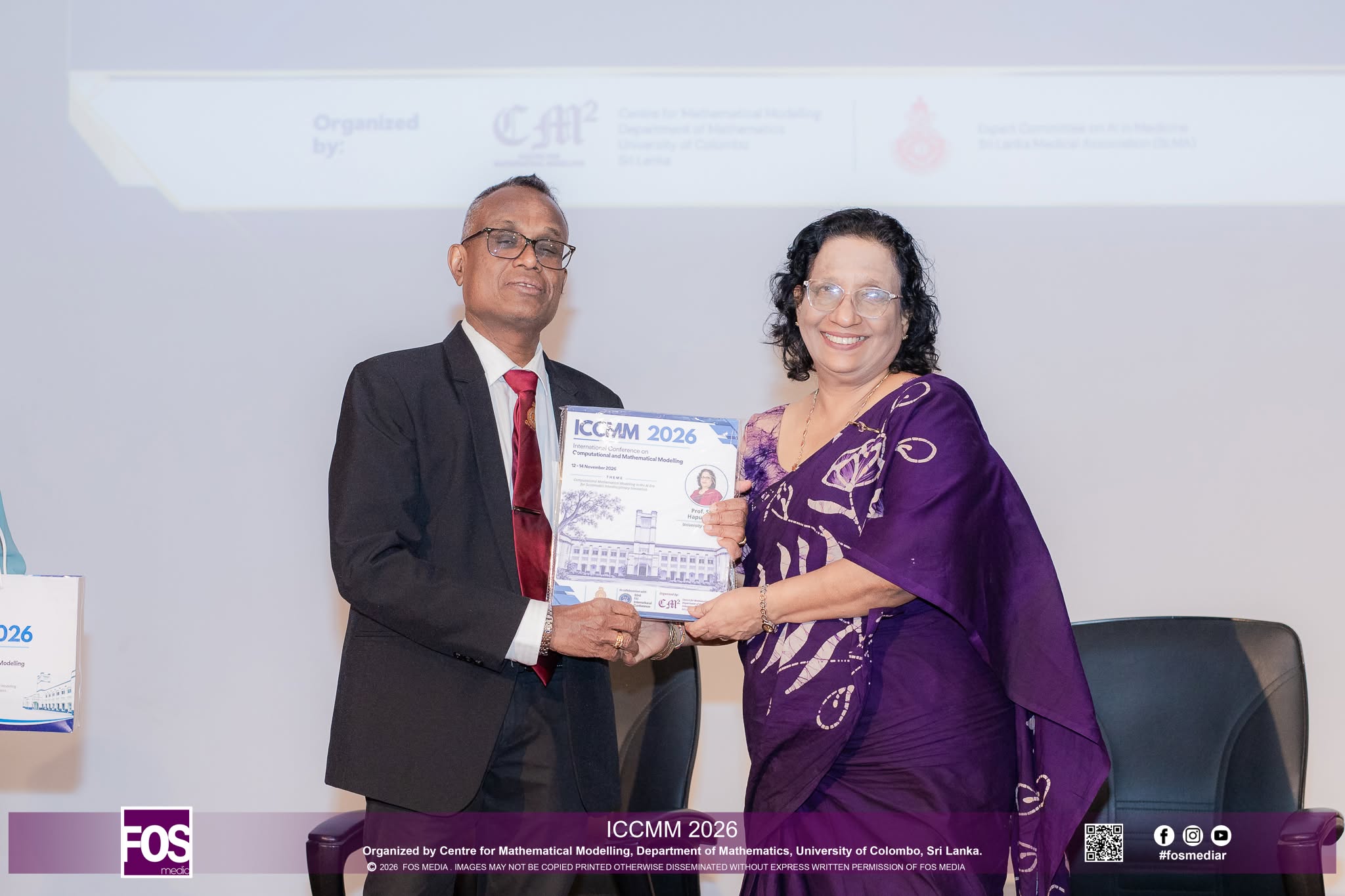
Representing the medical fraternity, Professor Ishan De Zoysa, Senior Professor in Surgery and President-Elect of the Sri Lanka Medical Association (SLMA), addressed the gathering on the evolving role of intelligent technologies in enhancing clinical precision and surgical decision-making. Clinical perspectives were further enriched by Dr. Tharanga Samarasekara, Consultant Endocrinologist at the Diabetes & Endocrinology Unit, District General Hospital Negombo, who highlighted practical applications of predictive analytics in chronic disease management.

From a computational standpoint, Dr. Prabhath Liyanage, Senior Lecturer in the Department of Mathematics, University of Colombo, discussed mathematical and algorithmic frameworks driving modern healthcare analytics. Demonstrating international industry breakthroughs, Mr. Gamika Seneviratne, Co-Founder and Chief Executive Officer of Neuralgap (an AI drug discovery company based in the United States), delivered a specialized session illustrating how AI methodologies significantly compress timelines in pharmaceutical research and drug discovery.

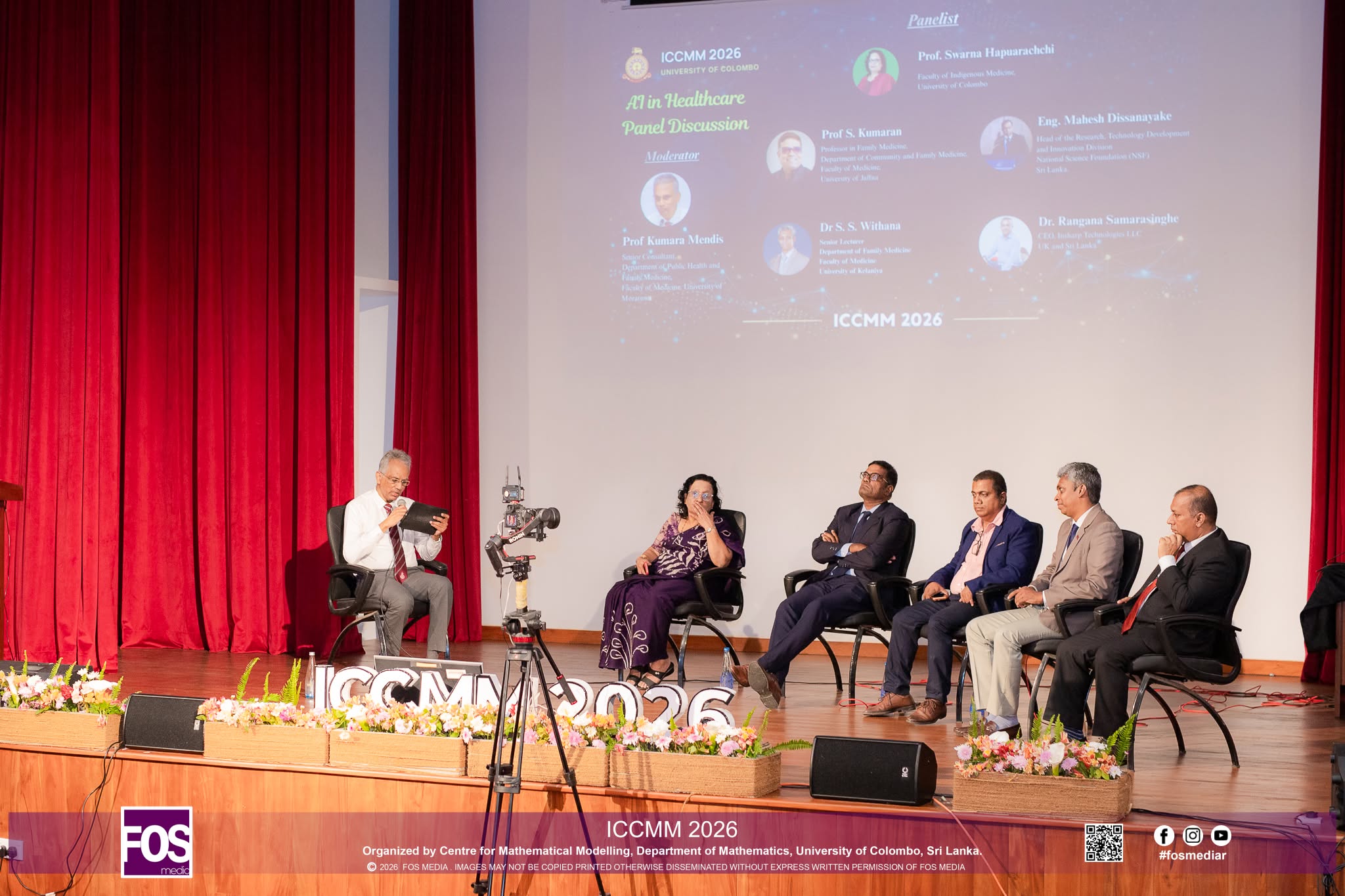
A highlight of the programme was an interactive Panel Discussion moderated by Professor Kumara Mendis, Senior Consultant in the Department of Public Health and Family Medicine, Faculty of Medicine, University of Moratuwa. The panel brought together diverse voices across family medicine, indigenous medicine, health technology entrepreneurship, and national research policy:

Panelists

  • Professor Swarna Hapuarachchi – Faculty of Indigenous Medicine and Former Director of the Institute of Indigenous Medicine, University of Colombo
  • Professor S. Kumaran – Professor in Family Medicine, Department of Community and Family Medicine, Faculty of Medicine, University of Jaffna
  • Dr. S. S. Withana – Senior Lecturer, Department of Family Medicine, Faculty of Medicine, University of Kelaniya
  • Dr. Rangana Samarasinghe – Chief Executive Officer, Insharp Technologies LLC (UK & Sri Lanka)
  • Eng. Mahesh Dissanayake – Head of the Research Division and Technology Development & Innovation Division, National Science Foundation (NSF)

Across its presentations and panel deliberations, the session focused on four core pillars: advancing medical diagnostics and predictive analytics for personalized patient care; accelerating AI-driven drug discovery; developing practical strategies for clinical and public health implementation across surgery, endocrinology, primary family medicine, and indigenous medicine; and bridging academic and industrial expertise to translate theoretical models into clinical practice.

Through this joint initiative between the Centre for Mathematical Modeling, University of Colombo, and the Sri Lanka Medical Association, the session fostered lasting synergetic partnerships and reinforced the role of interdisciplinary computational research in advancing sustainable healthcare innovation.
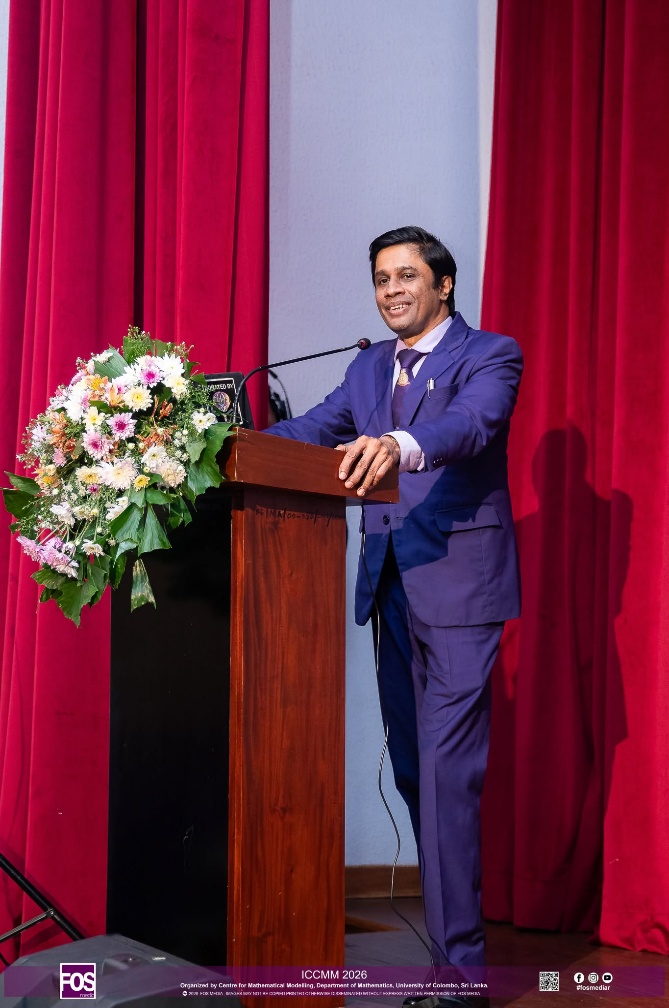
Workshop on Mathematical Frontiers in Interdisciplinary Science Forum 2026

On 11 November 2026, the Workshop on Mathematical Frontiers in Interdisciplinary Science Forum 2026 hosted a series of pre-conference workshops in modelling and simulation, held ahead of the main Forum, ICCMM 2026. The workshops gave participants focused, hands-on experience with the mathematical tools that underpin applied research and industrial problem-solving. Rather than treating theory in isolation, each session emphasised approaches that translate directly into practice, allowing participants to formulate models, work through computational methods, and see how the results apply to real problems.

The workshops aligned with the main objective of ICCMM 2026, Computational Mathematical Modelling in the AI Era for Sustainable Interdisciplinary Innovation, by showing how classical mathematical methods remain essential as computational and data-driven tools become more widespread.

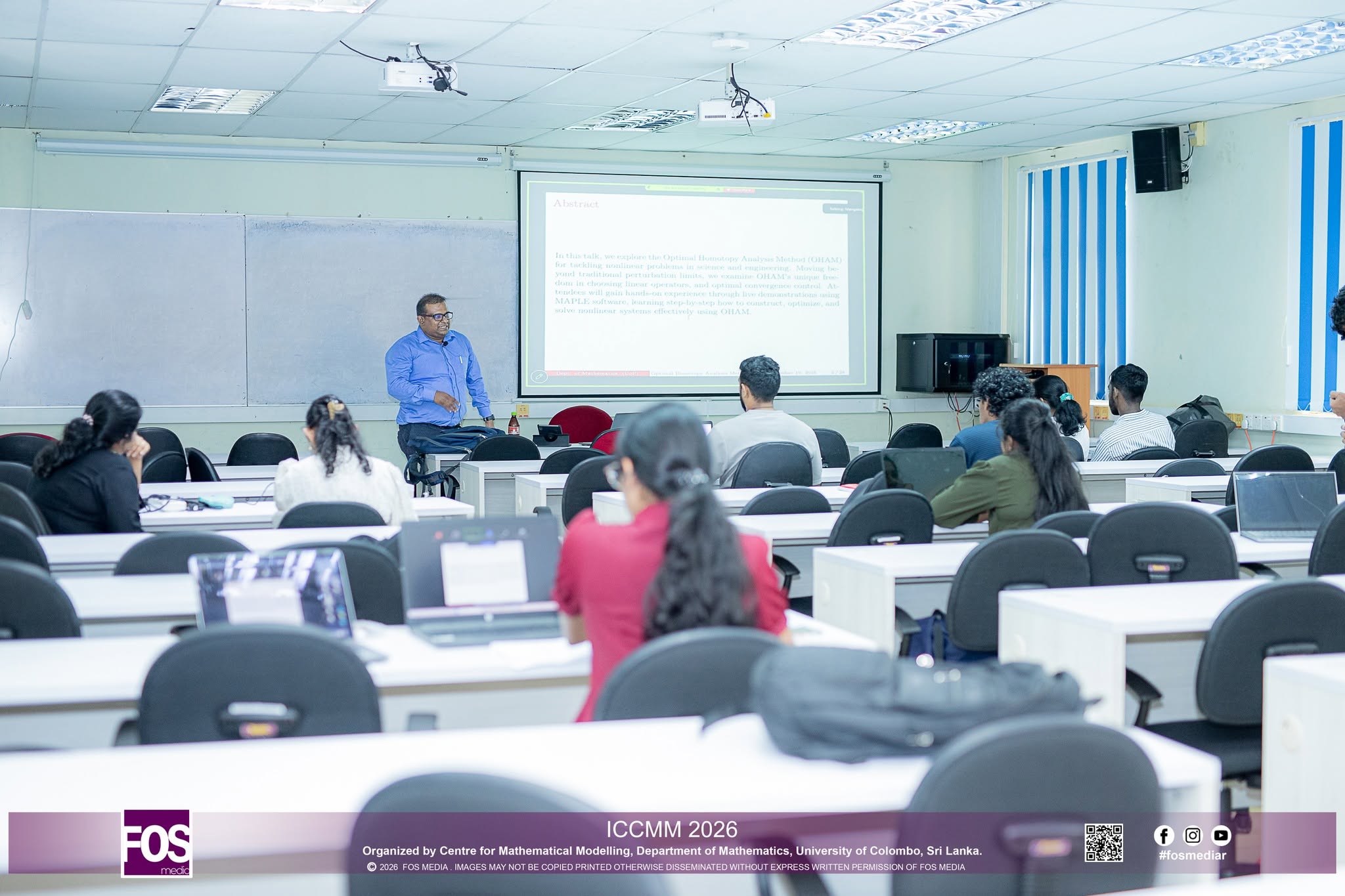
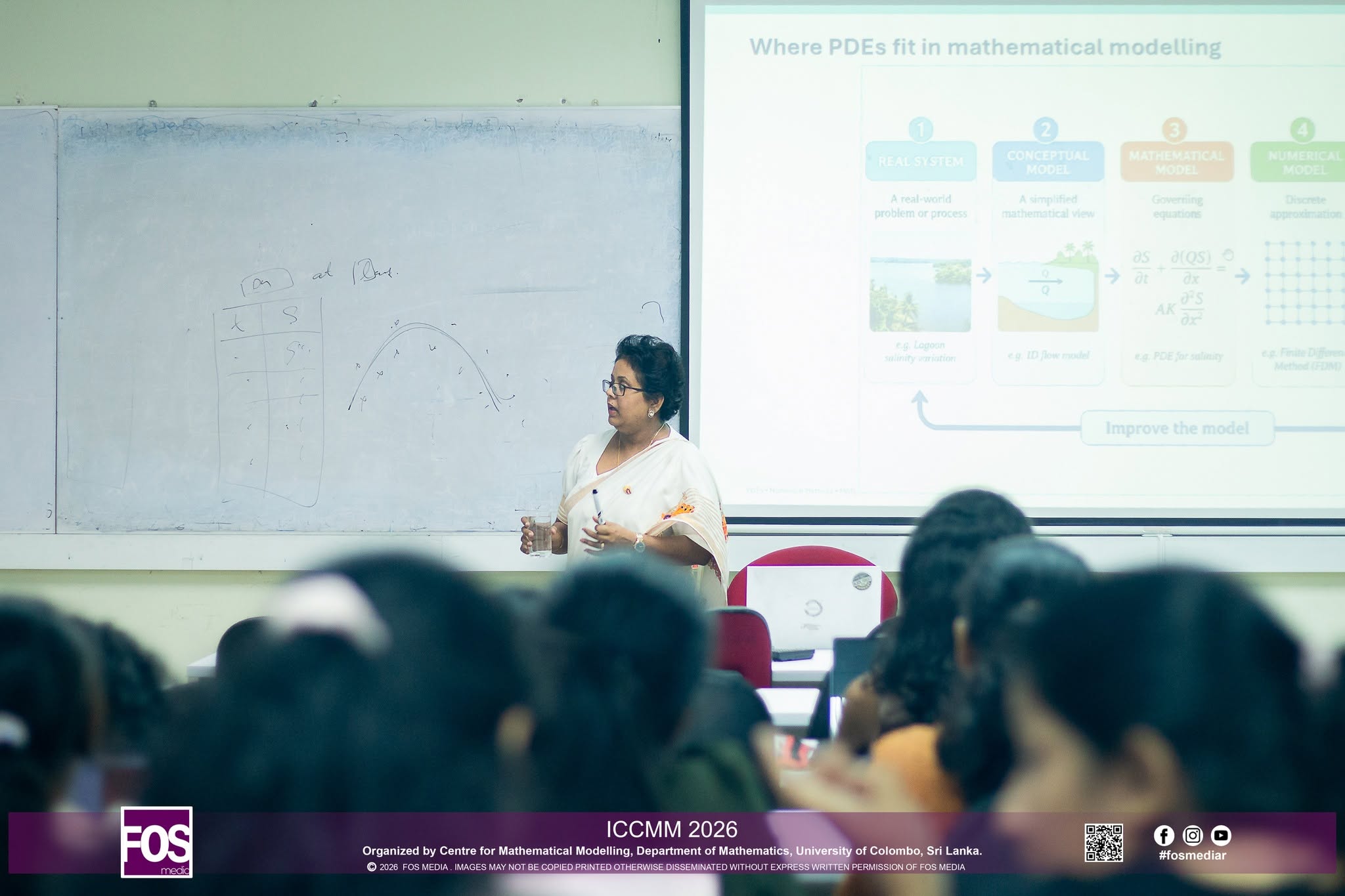
Dr. M. C. S. Fernando of the University of Kelaniya opened the series with numerical methods for heat equations and the role of optimal control in their application. The session showed how heat transfer problems can be modelled, approximated numerically, and steered toward a desired outcome, a combination central to process design and thermal management, where energy-efficient operation is a key sustainability concern. Dr. A. W. L. P. Thilan of the University of Ruhuna followed with an examination of how statistical modelling and machine learning can improve the reliability of computational models. The focus was on validating models, quantifying uncertainty, and building confidence in simulation results before they inform decisions, a requirement that becomes more pressing as AI tools are integrated into scientific and engineering workflows. Dr. M. T. M. Dewasurendra of the University of Peradeniya concluded the series with an introduction to the Optimal Homotopy Analysis Method, a technique for addressing nonlinear problems that resist conventional analytical solutions.

Participants were introduced to a method that produces usable approximate solutions for systems where standard techniques struggle. Together, the three sessions demonstrated how mathematical theory connects with computation and with the engineering, scientific, and technological challenges faced by industry, linking analytical rigour with the computational and AI-enabled approaches that drive innovation today. Across the series, the workshops strengthened participants’ understanding of how mathematical models are formulated, validated, and applied to complex systems. They also provided exposure to numerical methods and simulation workflows, and showed how optimal control supports decision-making and process optimisation, contributing to resource-efficient and sustainable outcomes. The sessions were designed for a broad professional and academic audience, including university academics, researchers, postgraduate and undergraduate students. Bringing these groups together allowed participants to explore how the same mathematical methods can be adapted to very different interdisciplinary and industrial problems, which is the kind of cross-disciplinary exchange the Forum set out to encourage.

Mini Symposium on Mathematical Frontiers in Interdisciplinary Sciences

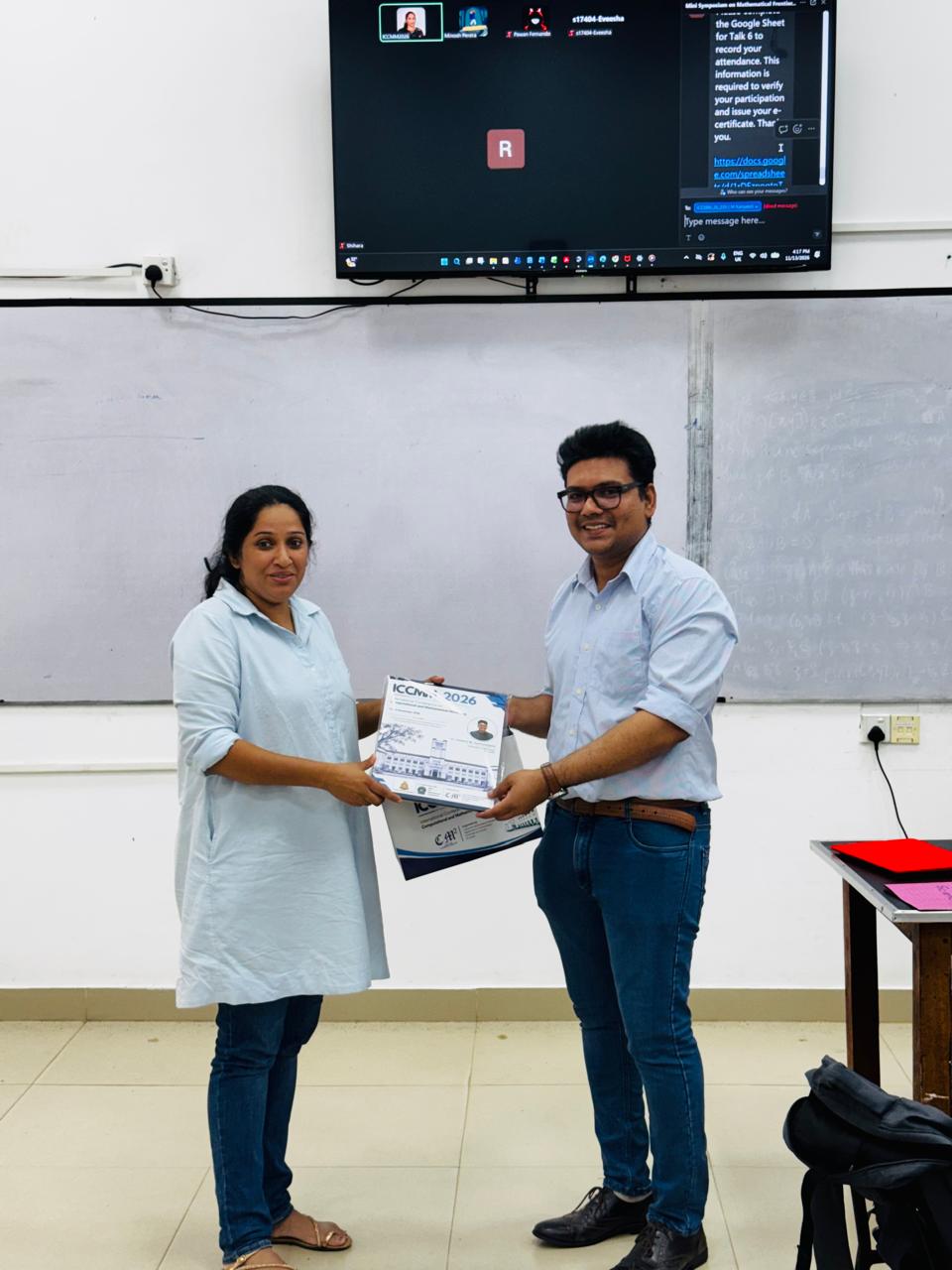
The Mini Symposium on Mathematical Frontiers in Interdisciplinary Sciences was held as part of the International Conference on Computational and Mathematical Modelling 2026 (ICCMM 2026), under the conference theme “Computational Mathematical Modelling in the AI Era for Sustainable Interdisciplinary Innovation.” Co-chaired by Dr. K. A. Suresh Nisansala and Dr. H. C. Y. Jayathunga, the symposium set out to show how mathematics can solve real-world problems. Its discussions spanned applied mathematics in biological systems, epidemiology, optimization, data science, and dynamical systems. The programme opened with a series of pre-conference workshops, followed by invited presentations and a technical session, giving researchers and practitioners access to recent findings, emerging methods, and practical applications. The symposium aimed to foster collaboration and to embed analytical thinking within interdisciplinary research.

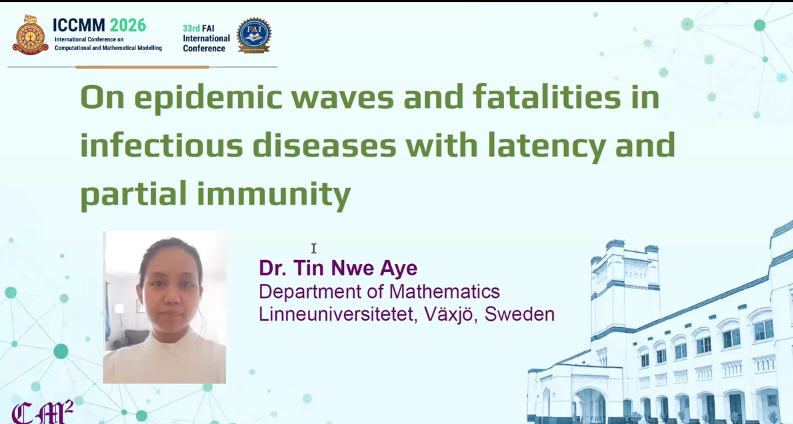
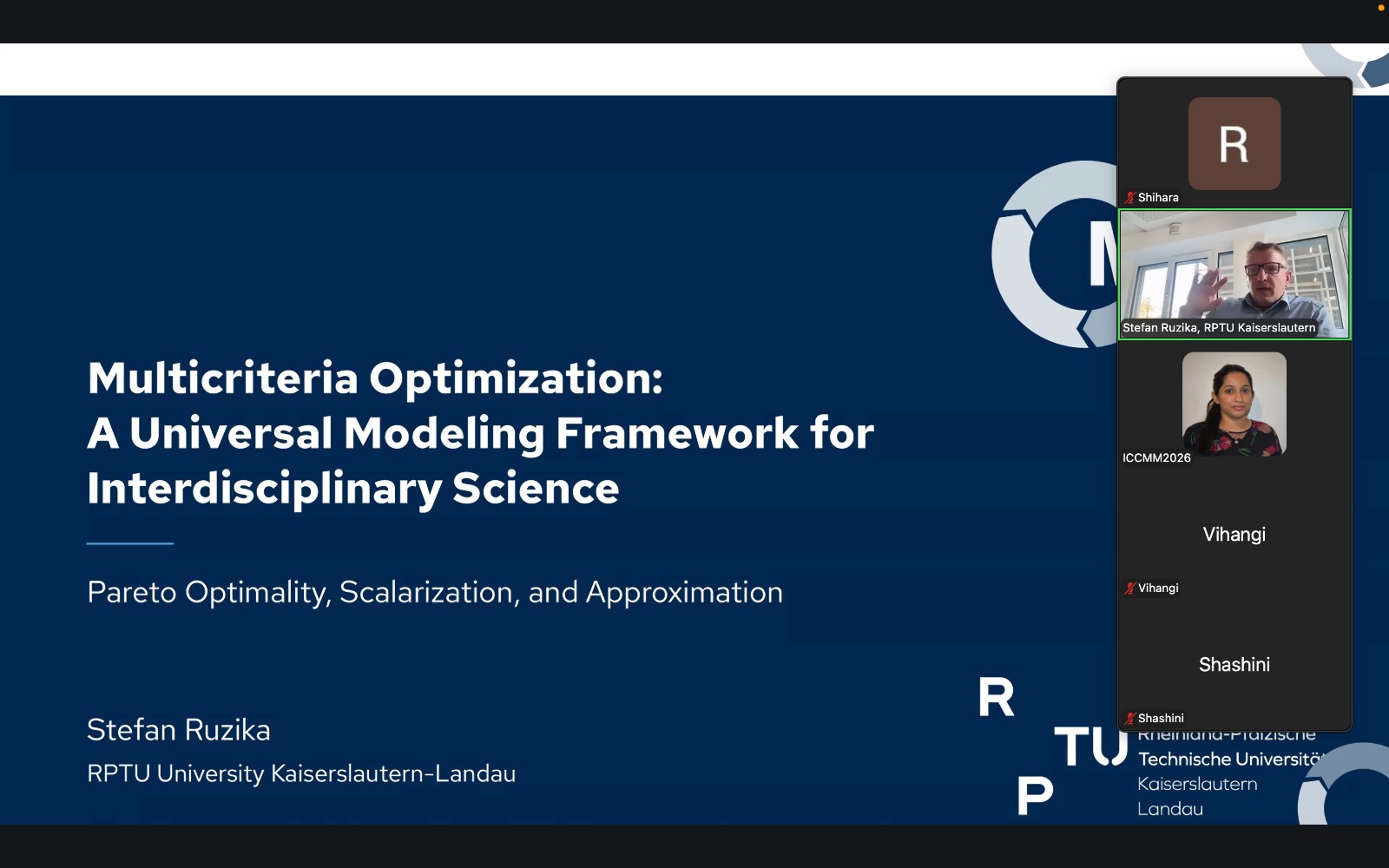
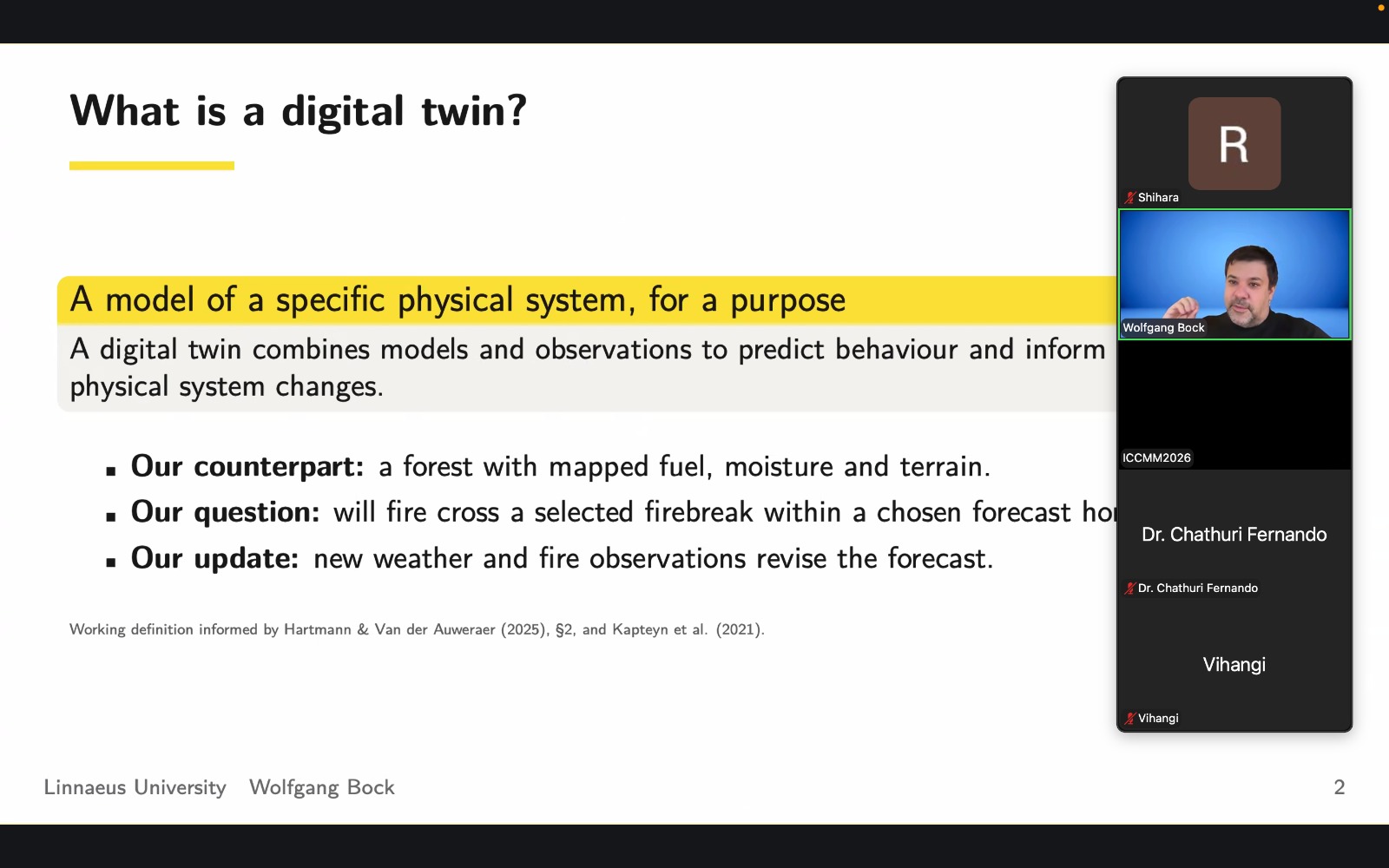
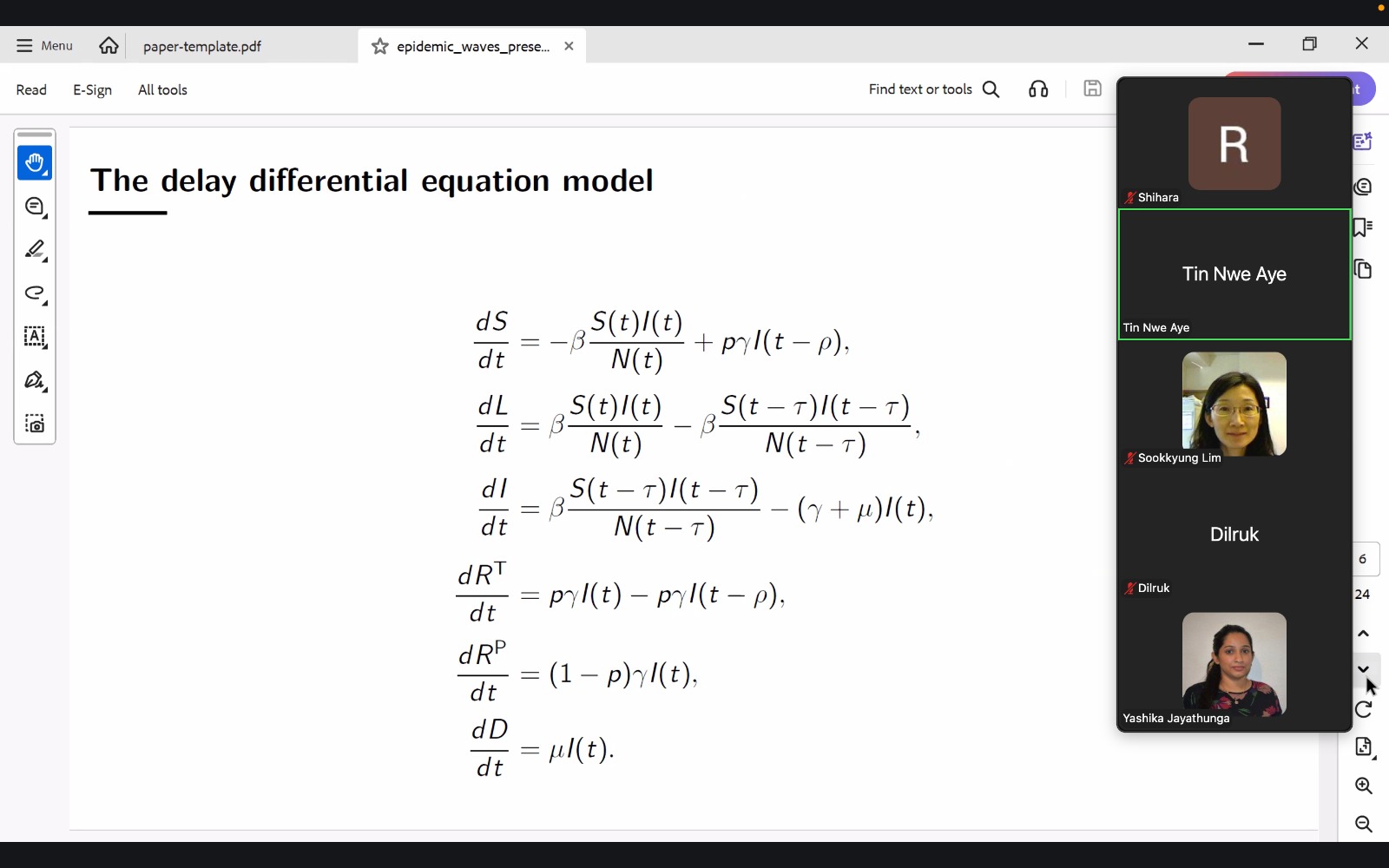
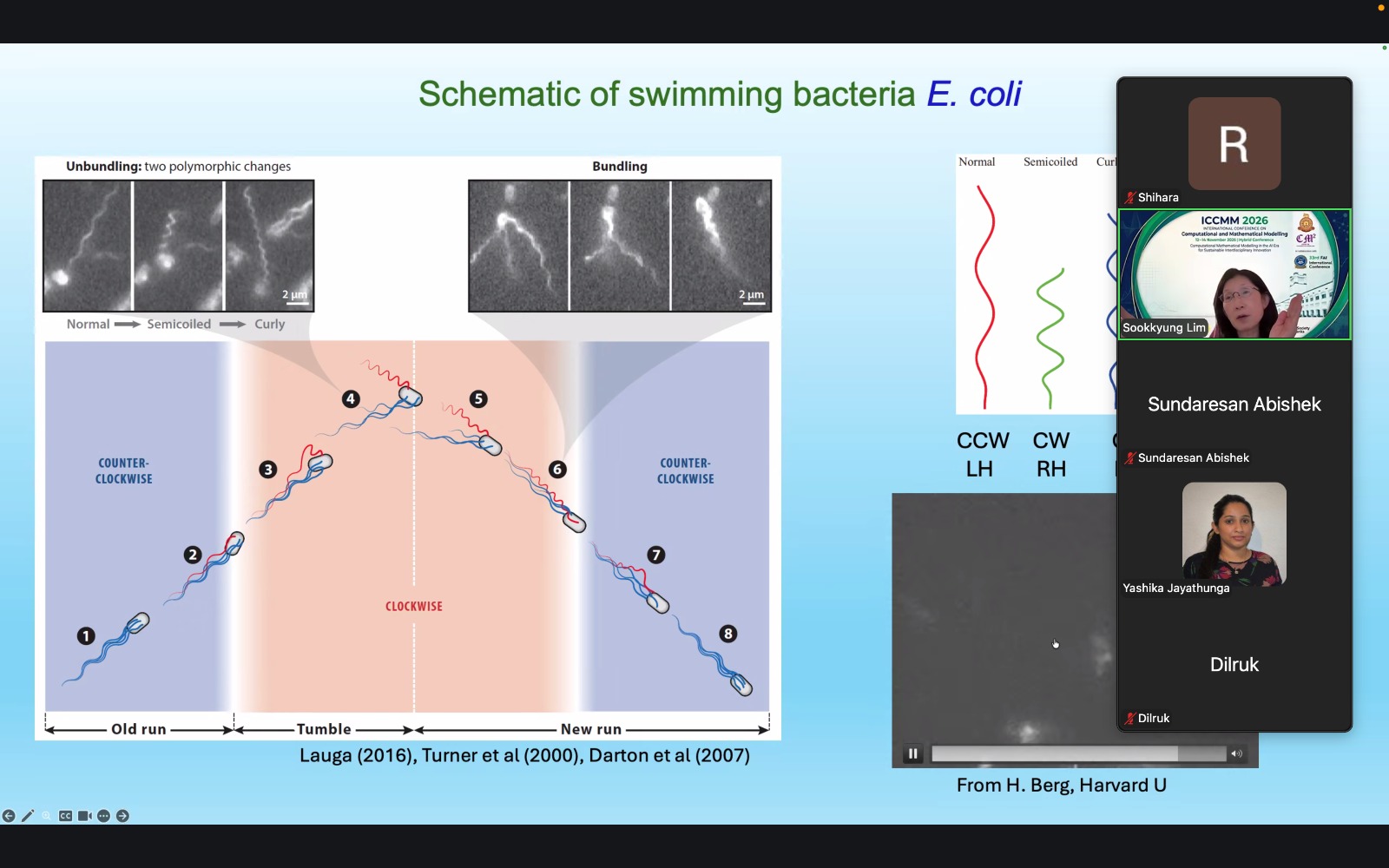
The invited talks showed the range of the symposium’s concerns. Professor G. Jayantha Lanel of the University of Sri Jayewardenepura opened with a study of Moore graphs and the degree-diameter problem, which proposes a new measure of graph optimality. Professor Sookkyung Lim of the University of Cincinnati then showed how mathematics helps explain the behaviour of swimming bacteria, and Dr. Tin Nwe Aye of Linnaeus University examined epidemic waves and fatalities in infectious diseases with latency and partial immunity. Associate Professor Wolfgang Bock of Linnaeus University addressed the rigour behind stochastic analysis, scaling limits, and digital twins. Professor Dr. Stefan Ruzika of RPTU University Kaiserslautern-Landau presented multicriteria optimization as a general modelling framework for interdisciplinary science. Dr. Sandun M. Dassanayake of the University of Moratuwa concluded the invited programme with a talk on AI agents and spatial modelling, an approach to environment-aware decision modelling. Together these talks moved from abstract graph theory to applied decision-making, and from biological and epidemiological systems to AI-supported environmental analysis.

The technical session complemented the invited talks by giving researchers a platform to share their latest results, exchange ideas, and join academic discussion on emerging developments in applied mathematics. With speakers from several countries, including internationally recognised researchers from local and overseas universities, the symposium reflected the international and interdisciplinary character of ICCMM 2026.

The symposium also connected directly with the conference’s central theme. Several talks showed how classical mathematical reasoning remains essential as AI and data-driven tools become more common: the emphasis on rigour in stochastic analysis and digital twins, and on validated models in epidemiology and optimization, illustrates the point. The inclusion of AI agents and spatial modelling for environment-aware decisions linked the discussion to sustainability, while the broader programme showed how mathematical modelling can inform decisions in health, biology, and the environment. In this way, the symposium strengthened the link between mathematical theory and applied research across the sciences, and reinforced the conference’s aim of driving sustainable, interdisciplinary innovation.
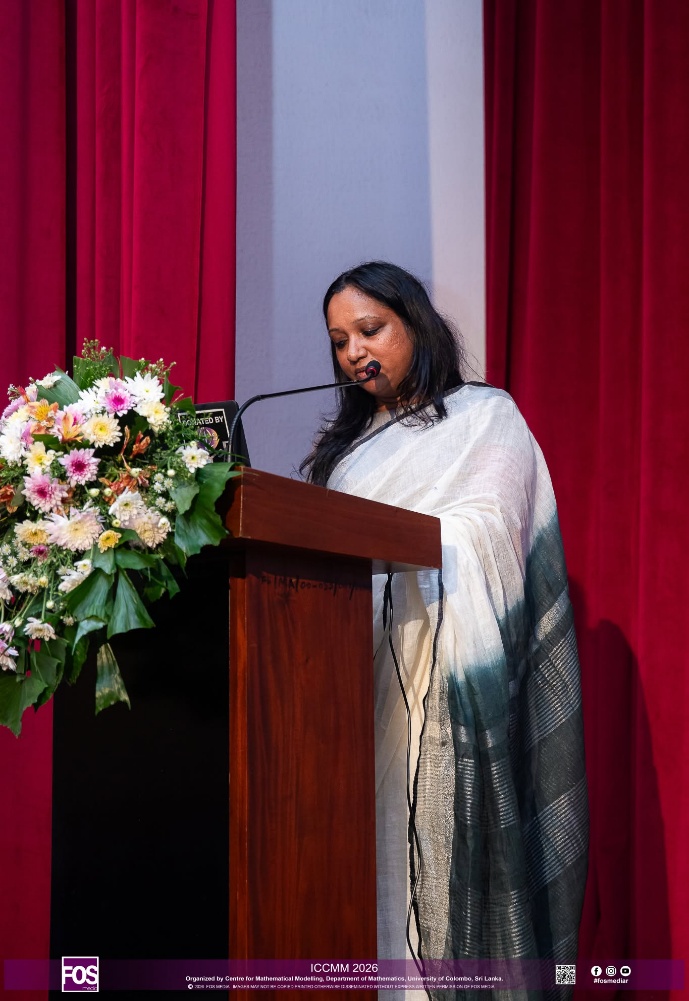
ICCMM 2026 Modelling Week Bridging Theory and Real-World Applications

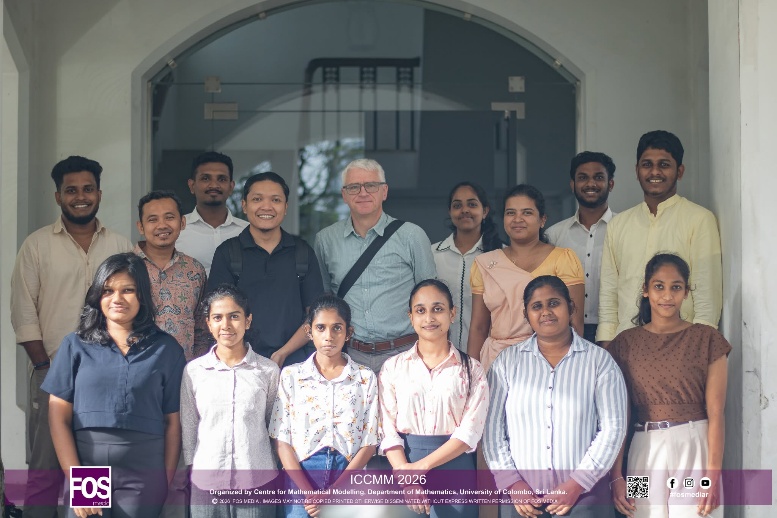
As part of the educational activities of the International Conference on Computational and Mathematical Modelling 2026 (ICCMM 2026), a Mathematical Modelling Week was organized for third-year Honours students specializing in Applied Mathematics and Computational Mathematics at the University of Colombo.
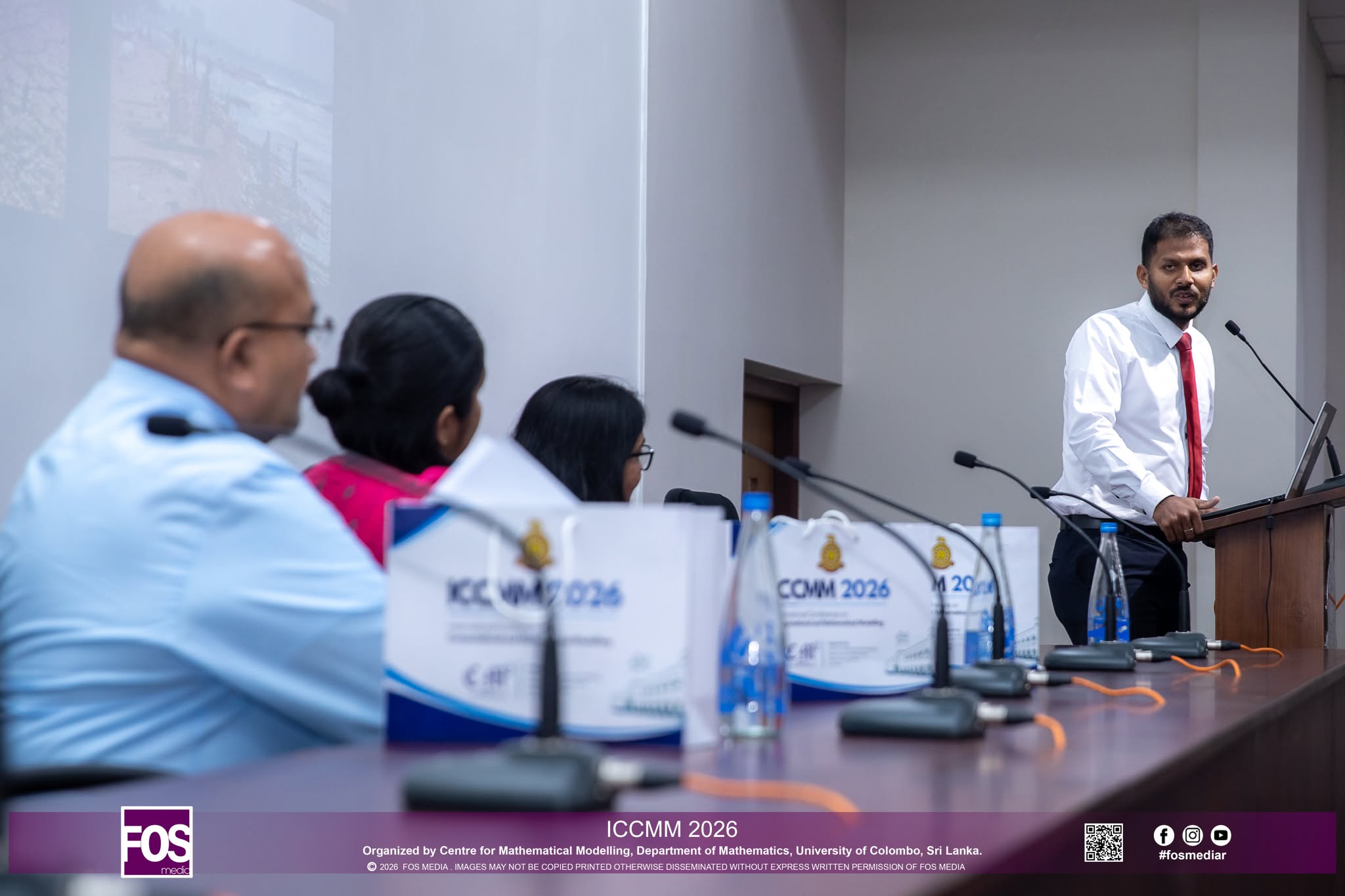
A total of 16 students, divided into four groups, were assigned real-world modelling challenges proposed by four resource persons: Professor Thomas Goetz of the University of Koblenz, Germany, Professor Aleksander Sandro of the University of Ljubljana, Slovenia, Professor Dipo Aldila of Universitas Indonesia, and Dr. M. C. S. Fernando of the University of Kelaniya. The problems covered diverse areas, including firewood volume estimation, floating barge dynamics under wave excitation, dengue control through behavioural and vector modelling, and pollutant transport in river systems.

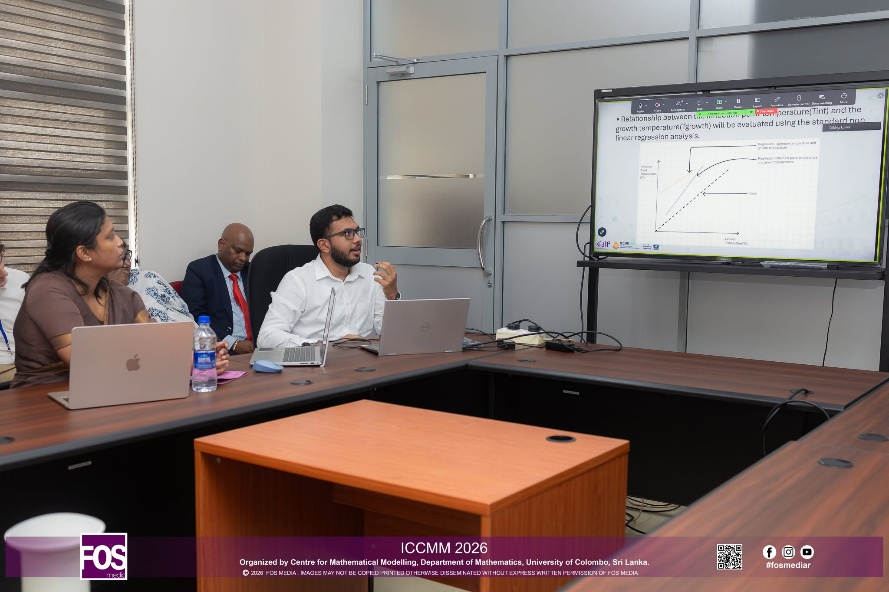
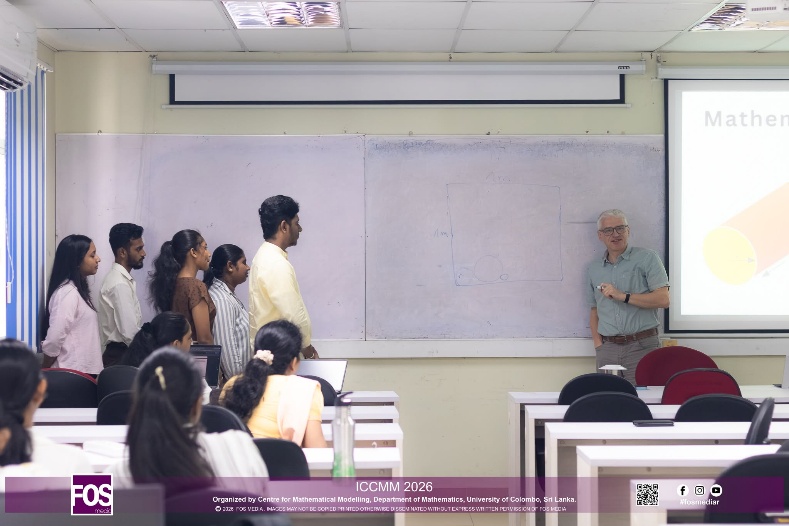
Students were given one week to investigate their assigned problems, develop mathematical models, and analyse their findings using appropriate analytical and computational techniques. The groups presented their work on 13 November 2026, with Professor Thomas Goetz and Professor Dipo Aldila participating in the presentations and providing valuable feedback and suggestions for further improvement.

The initiative provided students with valuable hands-on experience in applying mathematical and computational modelling to real-world problems while strengthening the connection between undergraduate education, research, and interdisciplinary collaboration.